
If you’re planning to start or scale an online store, one big question naturally comes up:
👉 Is WooCommerce still worth using in 2026?
Short answer: Yes — WooCommerce is absolutely worth it in 2026, if you understand when it’s the right choice and how to use it correctly.
This honest review breaks down features, benefits, limitations, real business use cases, and long-term value so you can decide confidently.

🔎 What Is WooCommerce?
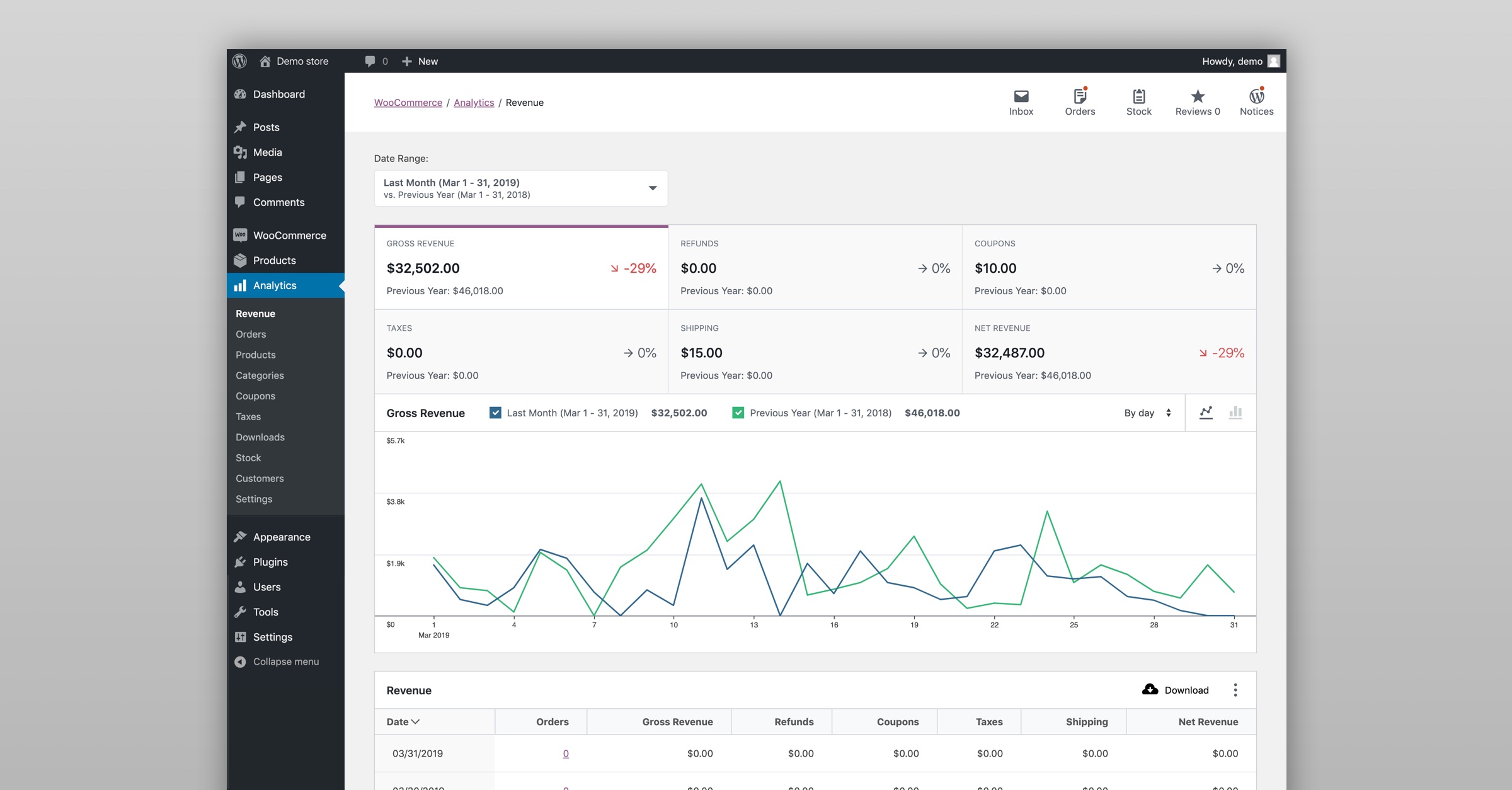
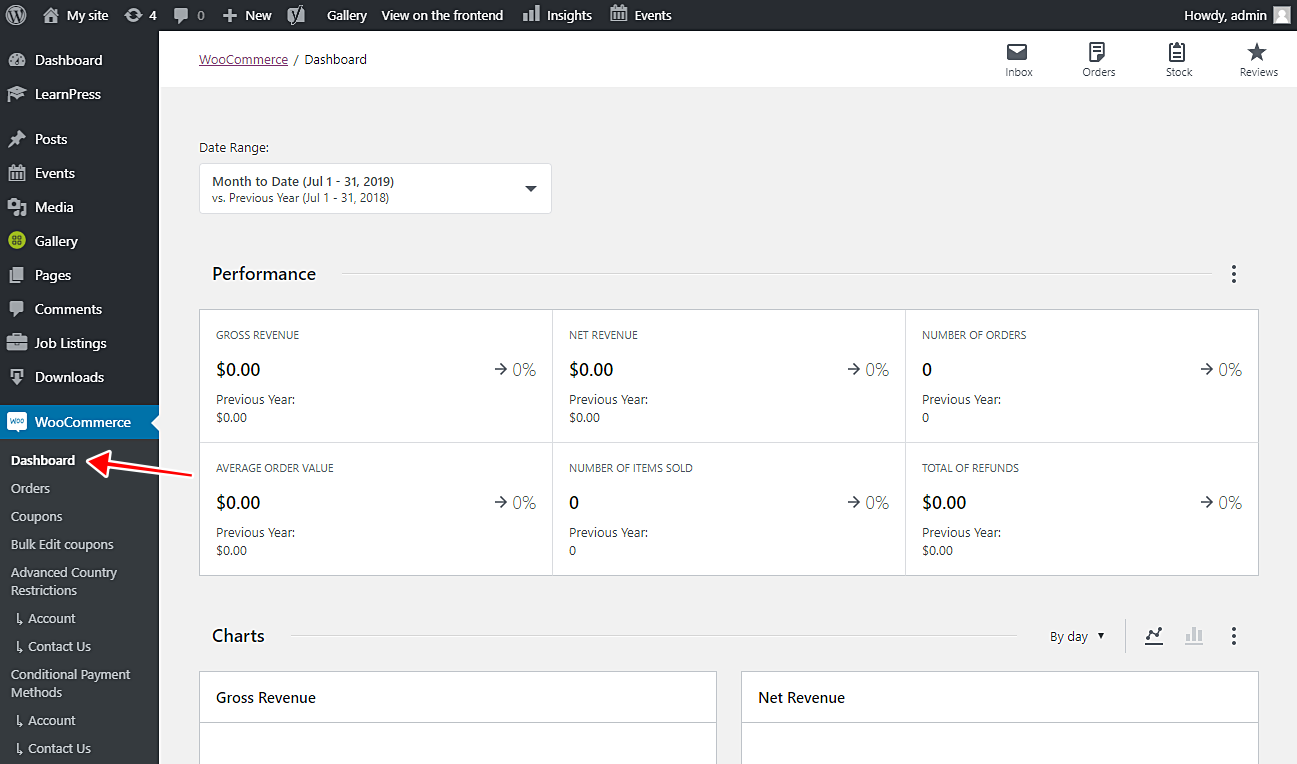
WooCommerce is a free, open-source eCommerce plugin built for WordPress.
It transforms a WordPress website into a fully functional online store, allowing you to sell:
-
Physical products
-
Digital downloads
-
Subscriptions
-
Services
-
Memberships
WooCommerce powers millions of stores worldwide, from small startups to large businesses.
🌟 Why WooCommerce Is Still Relevant in 2026
WooCommerce continues to dominate because it offers:
-
Full ownership & control
-
A massive plugin ecosystem
-
Strong SEO foundation
-
Unlimited customization
-
Long-term scalability
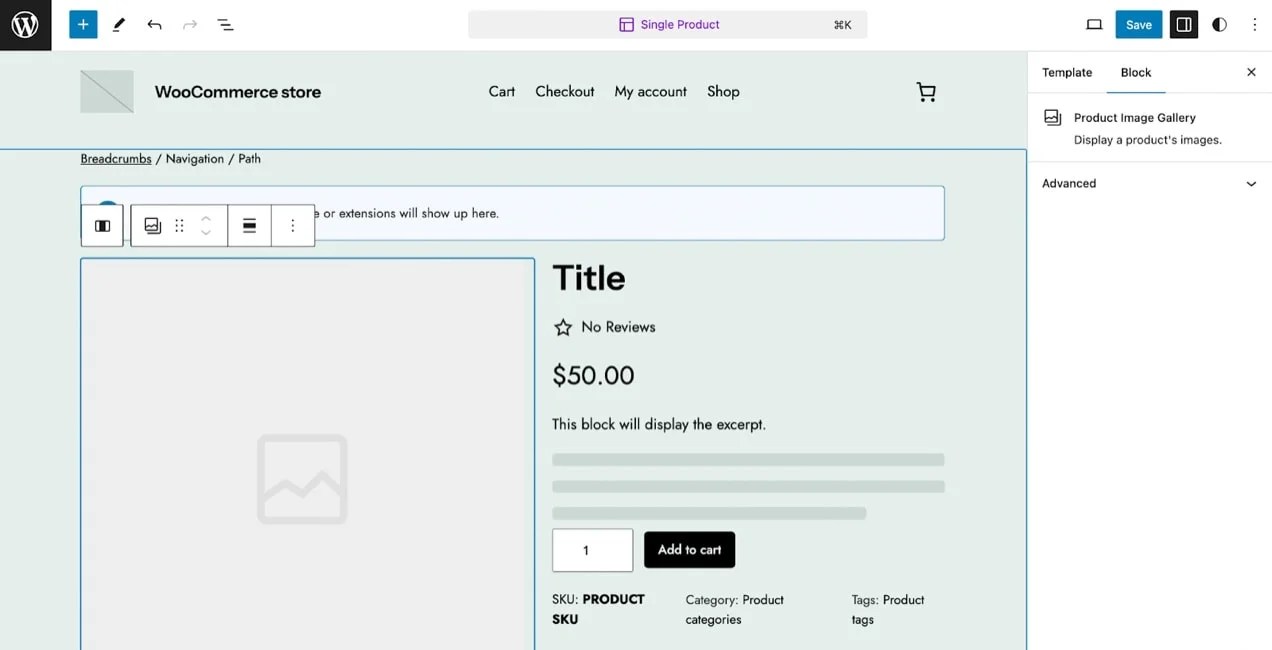
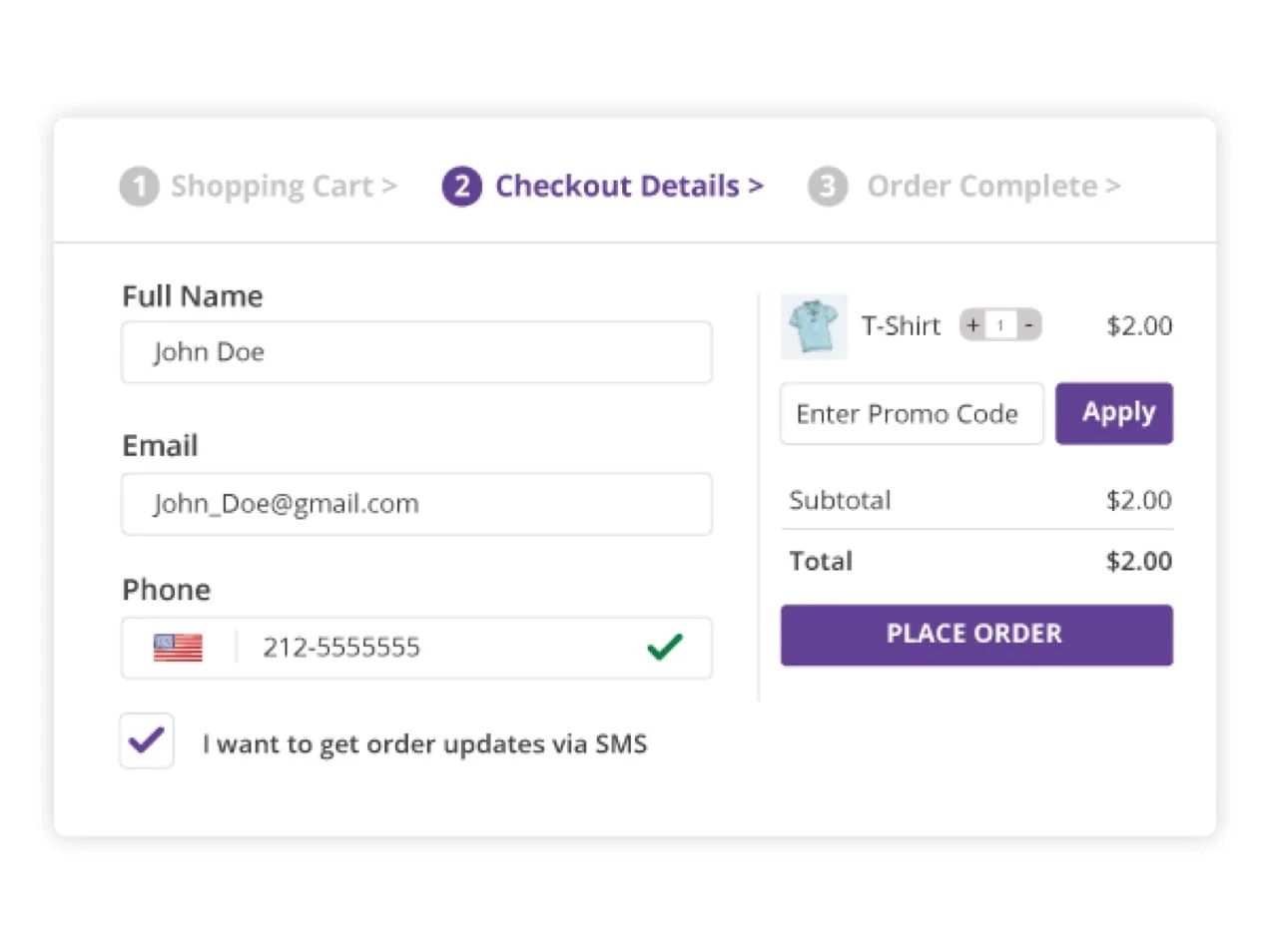
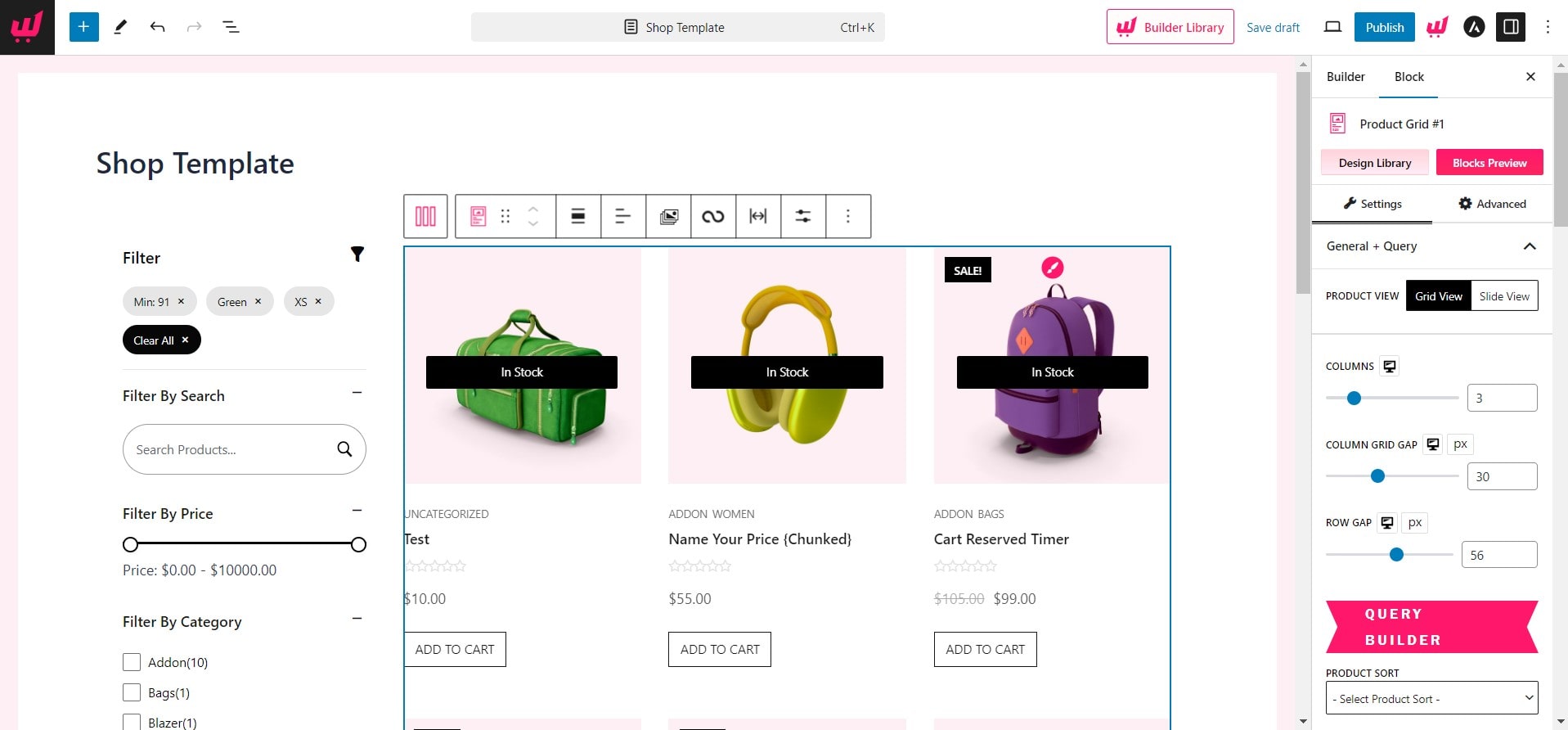
Unlike hosted platforms, WooCommerce lets you build your store your way, without platform lock-in.
✅ Key Advantages of WooCommerce in 2026
1️⃣ Full Ownership & Control
With WooCommerce:
✔ You own your data
✔ You choose your hosting
✔ You control costs
✔ You decide features
There’s no dependency on a single company.
2️⃣ SEO Power (Huge Advantage)
WooCommerce inherits WordPress’s SEO strength:
-
Full control over URLs
-
Meta titles & descriptions
-
Schema markup
-
Blogging & content marketing


This makes WooCommerce one of the best platforms for organic traffic growth.
3️⃣ Supports Any Business Model
WooCommerce works for:
✔ Small businesses
✔ Growing brands
✔ Service-based companies
✔ Digital product sellers
✔ Marketplaces (with add-ons like Dokan)

4️⃣ Massive Plugin & Theme Ecosystem
You can extend WooCommerce using:
-
Payment gateways
-
Shipping solutions
-
Subscriptions
-
Booking systems
-
CRM & ERP integrations
Almost any feature can be added.
5️⃣ Scales With Your Business
WooCommerce can scale from:
-
10 products → 10,000+ products
-
Low traffic → high traffic
-
Local store → global business
With proper hosting and optimization, it handles growth well.
⚠️ Real Limitations of WooCommerce (Be Honest)
WooCommerce is powerful, but it’s not magic.
❌ 1. Performance Depends on Setup
WooCommerce can become slow if:
-
Hosting is weak
-
Too many plugins are used
-
Images aren’t optimized


✅ Solution:
Good hosting + performance optimization.
❌ 2. Requires Maintenance
Unlike hosted platforms:
-
Updates are manual
-
Security needs attention
-
Backups are your responsibility
This is manageable — but not zero-effort.
❌ 3. Plugin Costs Can Add Up
WooCommerce core is free, but:
-
Premium plugins
-
Extensions
-
Themes
may increase costs over time.
👉 Still, you only pay for what you actually need.
🧠 WooCommerce vs Hosted Platforms (2026 Reality)

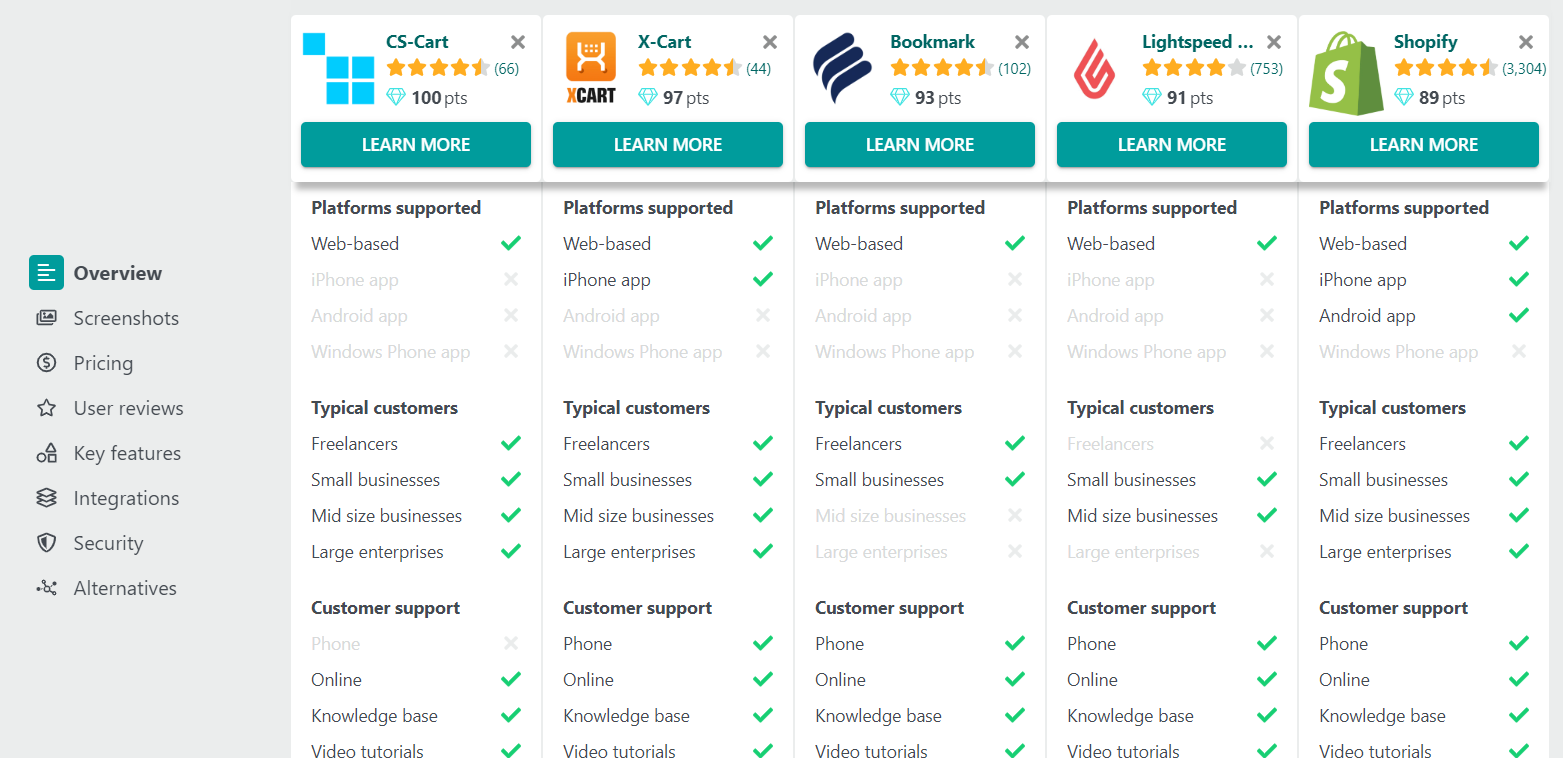
WooCommerce Wins When:
✔ You want full control
✔ SEO matters
✔ You plan long-term growth
✔ You need custom features
Hosted Platforms Win When:
✔ You want zero maintenance
✔ You prefer simplicity
✔ You’re okay with monthly fees
👤 Who Should Use WooCommerce in 2026?
✅ WooCommerce Is Worth It If:
✔ You’re building a serious business
✔ You care about SEO & content
✔ You want customization
✔ You plan to scale
✔ You want ownership
❌ WooCommerce May Not Be Ideal If:
❌ You want a “set it and forget it” store
❌ You don’t want updates or maintenance
❌ You need a site in 1 hour with no setup
💼 Real Business Use Cases
🛍️ Small & Medium Businesses
Perfect for brands selling physical or digital products.
🧠 Service-Based Businesses
Sell consultations, bookings, or packages.
📦 Digital Products
Sell ebooks, software, licenses, courses.
🏪 Marketplaces
With plugins like Dokan, WooCommerce becomes a multi-vendor platform.
🔄 WooCommerce in 2026: Future-Proof or Not?
WooCommerce remains future-proof because:
✔ Open-source
✔ Actively maintained
✔ Huge developer community
✔ Works with headless setups
✔ Integrates with modern tools
📚 Recommended Reading

Hire Me on Upwork – Dokan & WooCommerce Expert

 Chat on WhatsApp