
WooCommerce is incredibly flexible, but every growing store eventually hits a point where existing plugins no longer fit the business logic.
If your store is built using WooCommerce on top of WordPress, custom plugin development can be the difference between a slow, fragile store and a scalable, high-performing business.
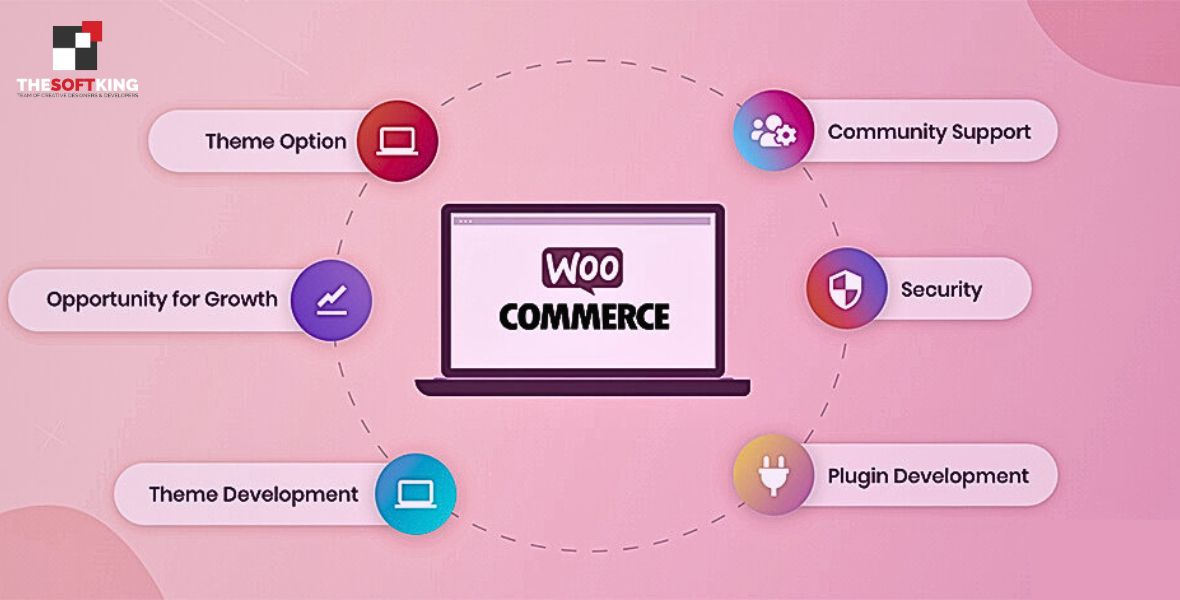

🚀 What Is Custom WooCommerce Plugin Development?
Custom WooCommerce plugin development means building a dedicated WordPress plugin that:
-
Extends WooCommerce functionality
-
Adds store-specific features
-
Implements custom business rules
-
Improves performance & security
✔ No core file edits
✔ Update-safe
✔ Built exactly for your store
❓ When Do You Need a Custom WooCommerce Plugin?
Let’s look at real scenarios where custom plugin development is the right decision.
🔴 1. Your Business Logic Is Unique
Every serious store has custom rules.


Examples
✔ Role-based pricing
✔ Custom order approval flow
✔ Location-based restrictions
✔ Conditional product availability
Plugins are generic.
Custom plugins match your exact business model.
🔴 2. Pricing & Discount Rules Are Too Complex
WooCommerce default pricing is limited.
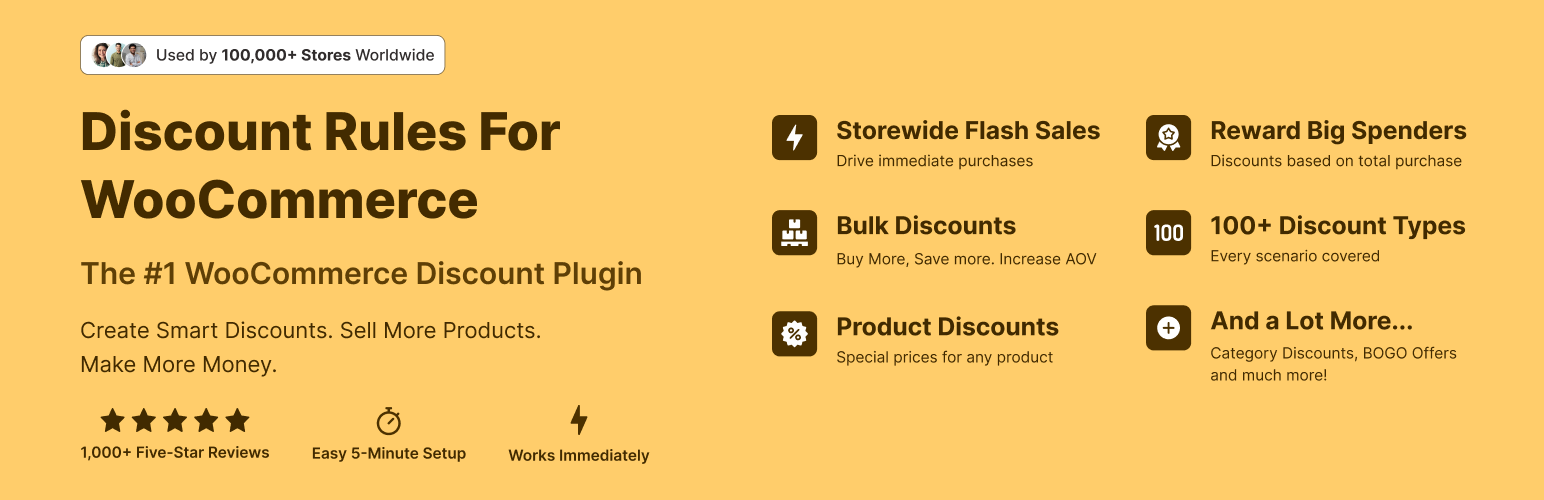
Custom Pricing Use Cases
✔ Bulk & tier pricing
✔ Customer-specific pricing
✔ Subscription + one-time pricing
✔ Time-based discounts
Custom plugins ensure accurate pricing without conflicts.
🔴 3. Checkout Needs Heavy Customization
Checkout directly affects conversions.
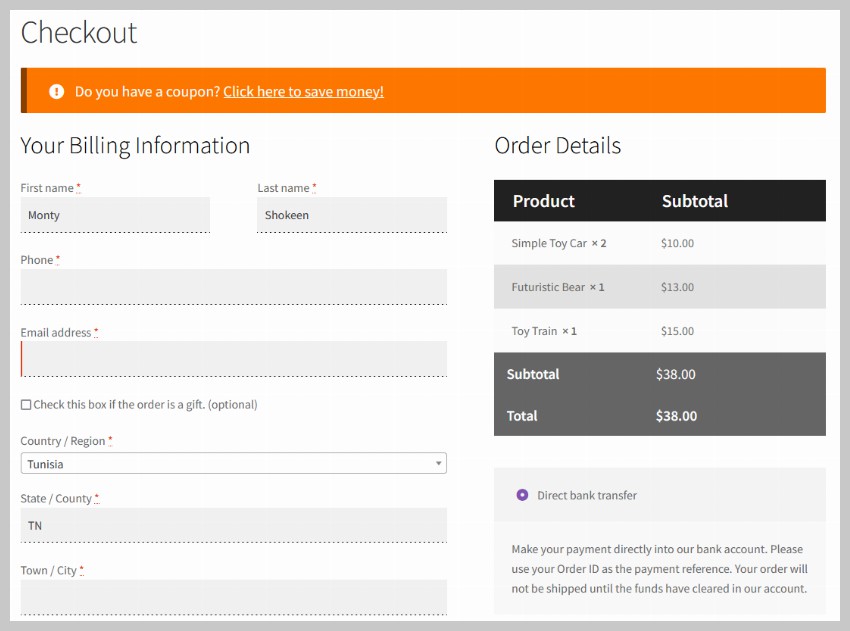
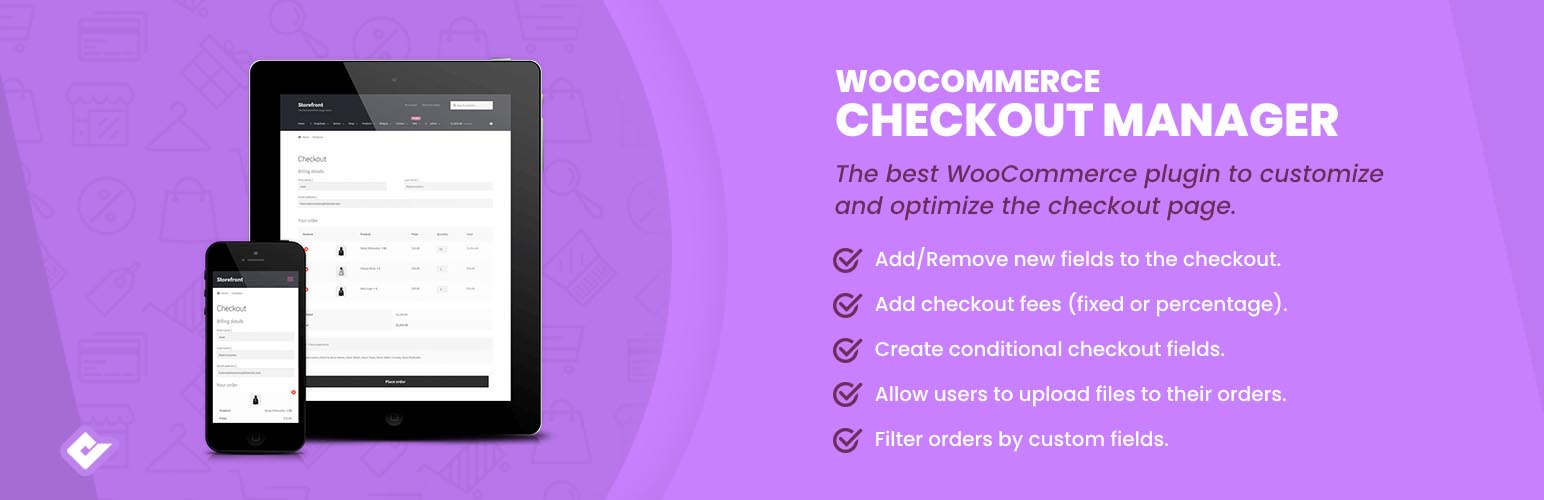
Custom Checkout Features
✔ Custom checkout fields
✔ Conditional checkout steps
✔ One-page checkout logic
✔ Country-based payment rules
Result: faster checkout & higher conversion rate.
🔴 4. Too Many Plugins Are Slowing Your Store
Plugin overload is one of the biggest WooCommerce issues.

Why Custom Plugin Is Better
✔ Replace multiple plugins with one
✔ Optimized database queries
✔ Cleaner & faster codebase
Custom plugins = better performance & scalability.
🔴 5. You Need Advanced Shipping or Tax Logic
Shipping and tax rules are rarely simple.
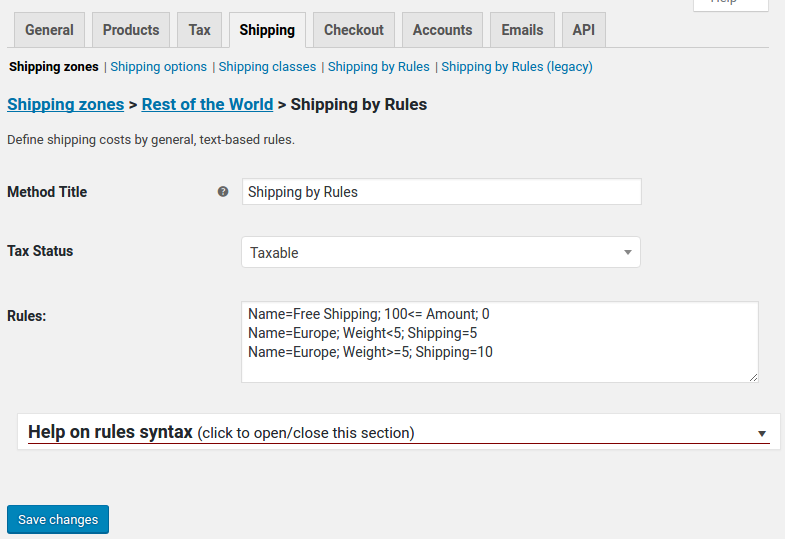

Custom Use Cases
✔ Distance-based shipping
✔ Vendor-specific shipping
✔ Hybrid tax calculations
✔ Service-only delivery logic
🔴 6. Third-Party Integrations or APIs Are Required
Modern stores must connect with other systems.
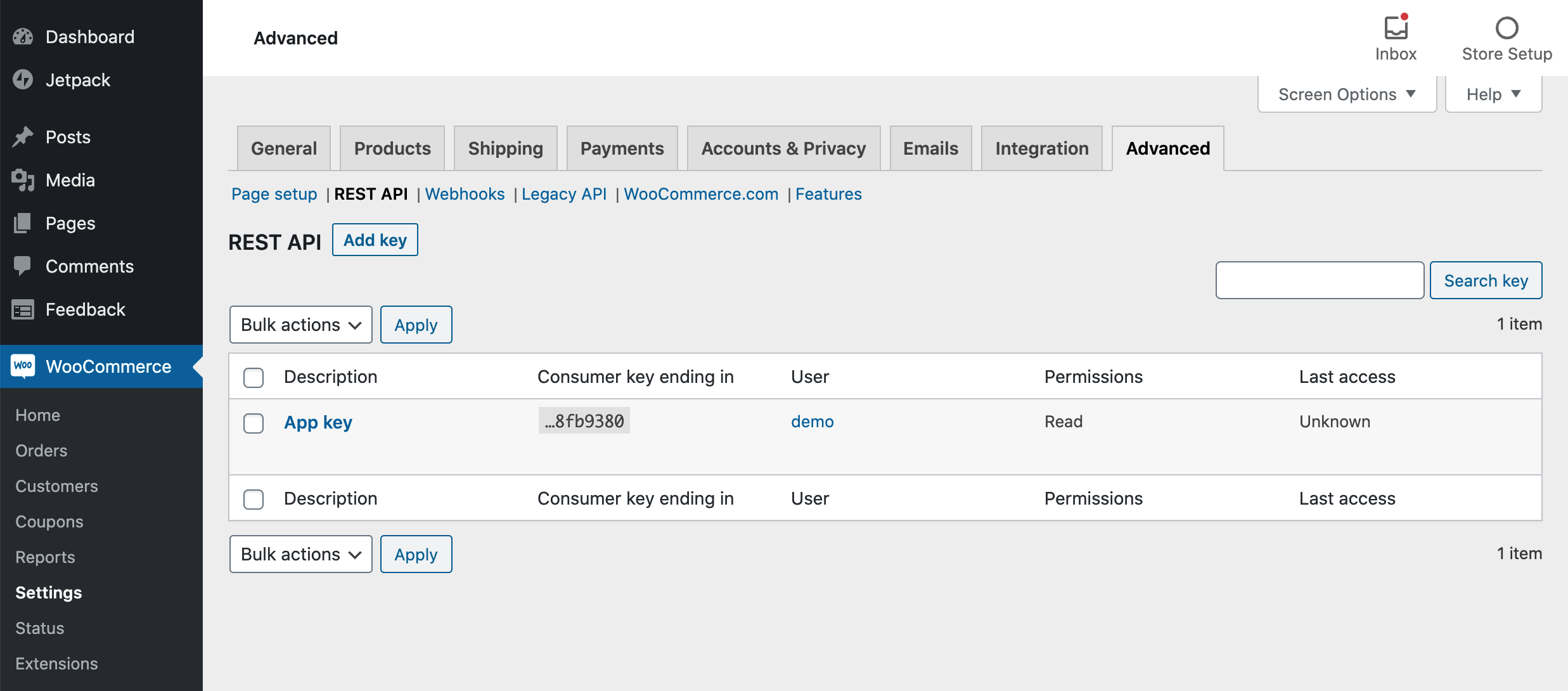

Custom Plugin Integrations
✔ ERP / CRM systems
✔ Accounting software
✔ Shipping providers
✔ Mobile apps
Custom plugins ensure secure, reliable data sync.
🔴 7. Performance Optimization for Large or High-Traffic Stores
Plugins alone can’t handle scale.
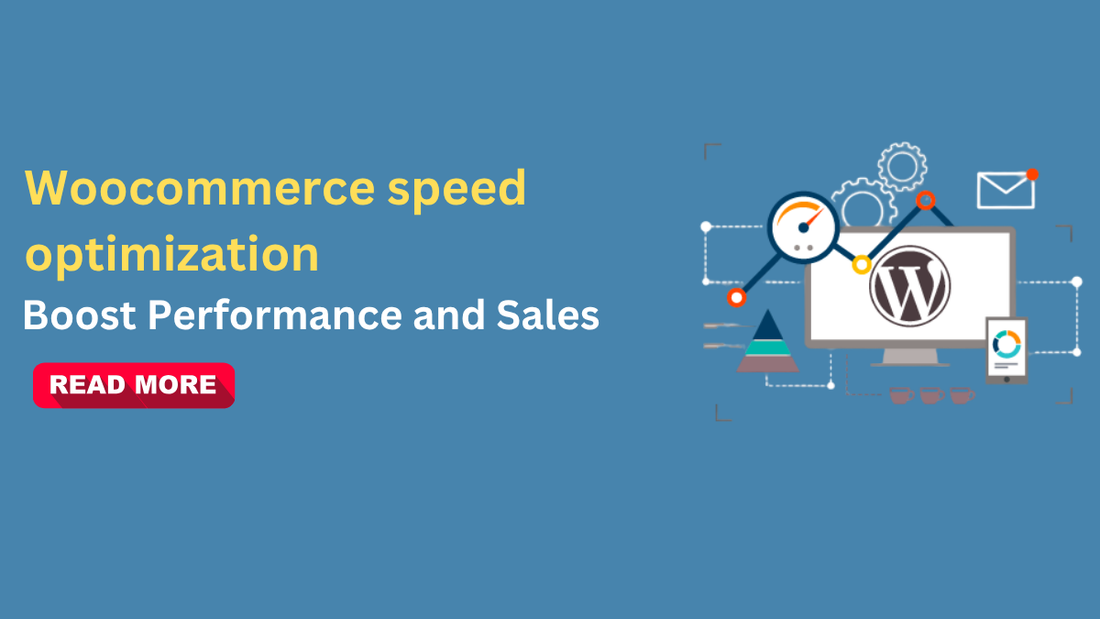
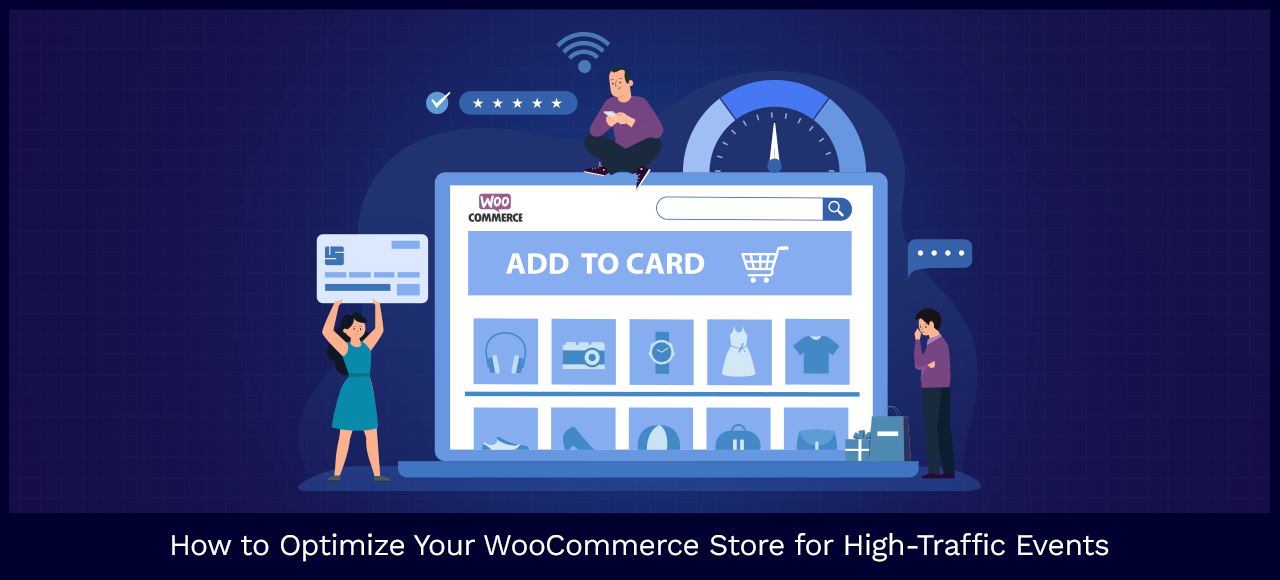
Custom Performance Work
✔ Optimized queries
✔ Reduced cart & session load
✔ Async background processing
✔ Custom caching logic
Critical for high-revenue stores.
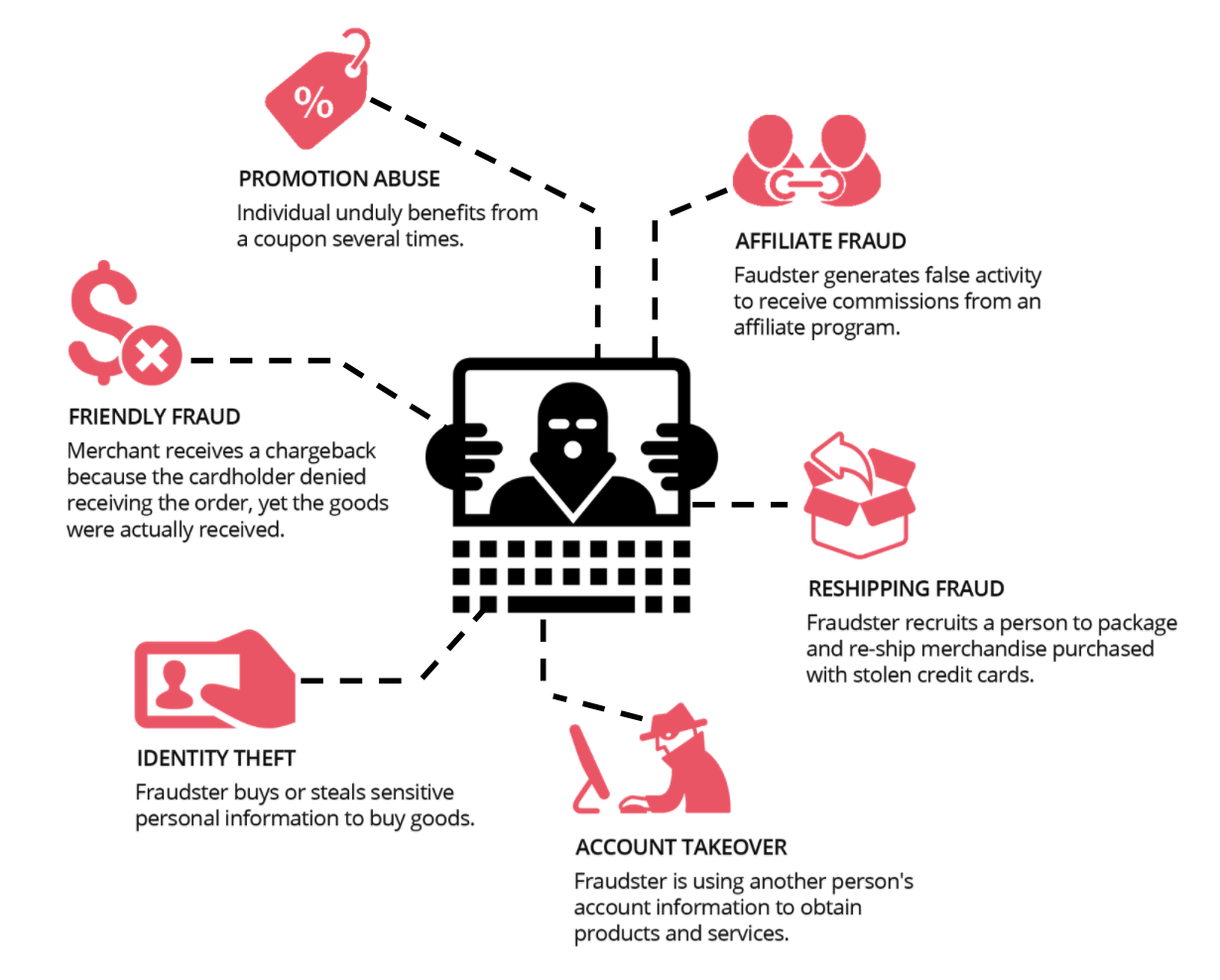
🔐 8. Security & Fraud Prevention Needs Custom Rules
E-commerce stores are frequent targets.
Custom Security Features
✔ Order fraud detection
✔ Payment validation rules
✔ Role-based access control
✔ Custom activity logs
Security should be built into the system, not patched later.
❌ What You Should NOT Do
❌ Edit WooCommerce core files
❌ Rely on random code snippets
❌ Install 20+ overlapping plugins
This leads to:
-
Broken updates
-
Security risks
-
Poor performance
✅ Custom plugins are clean, update-safe, and future-proof.
🧠 Business Benefits of Custom WooCommerce Plugins
✔ Exact business logic
✔ Faster store speed
✔ Fewer plugin conflicts
✔ Better checkout & UX
✔ Long-term scalability
📚 Related Reading

Hire Me on Upwork – Dokan & WooCommerce Expert

 Chat on WhatsApp