
Dokan: Marketplace Conversion Rate Optimization
Getting traffic to your marketplace is only half the battle. The real challenge is converting visitors into customers. A marketplace with 10,000 monthly visitors and a 1% conversion rate will generate far fewer sales than a marketplace with the same traffic and a 3% conversion rate.
Conversion Rate Optimization (CRO) focuses on improving the percentage of visitors who complete valuable actions such as making purchases, registering as vendors, submitting inquiries, or creating customer accounts.
For Dokan-powered marketplaces, even small improvements in conversion rates can significantly increase revenue without spending more on advertising.
In this guide, we’ll explore proven strategies for optimizing conversions in your Dokan marketplace.
What is Conversion Rate Optimization?
Conversion Rate Optimization (CRO) is the process of improving your website to encourage more visitors to take desired actions.
Common marketplace conversions include:
- Product purchases
- Vendor registrations
- Customer registrations
- Quote requests
- Newsletter subscriptions
- Service bookings
The goal is to maximize results from existing traffic.
Why CRO Matters for Dokan Marketplaces
Marketplace businesses have multiple conversion goals.
Benefits include:
- Increased revenue
- Lower customer acquisition costs
- Better vendor retention
- Higher customer satisfaction
- Improved ROI from marketing campaigns
A higher conversion rate means more sales without increasing traffic.
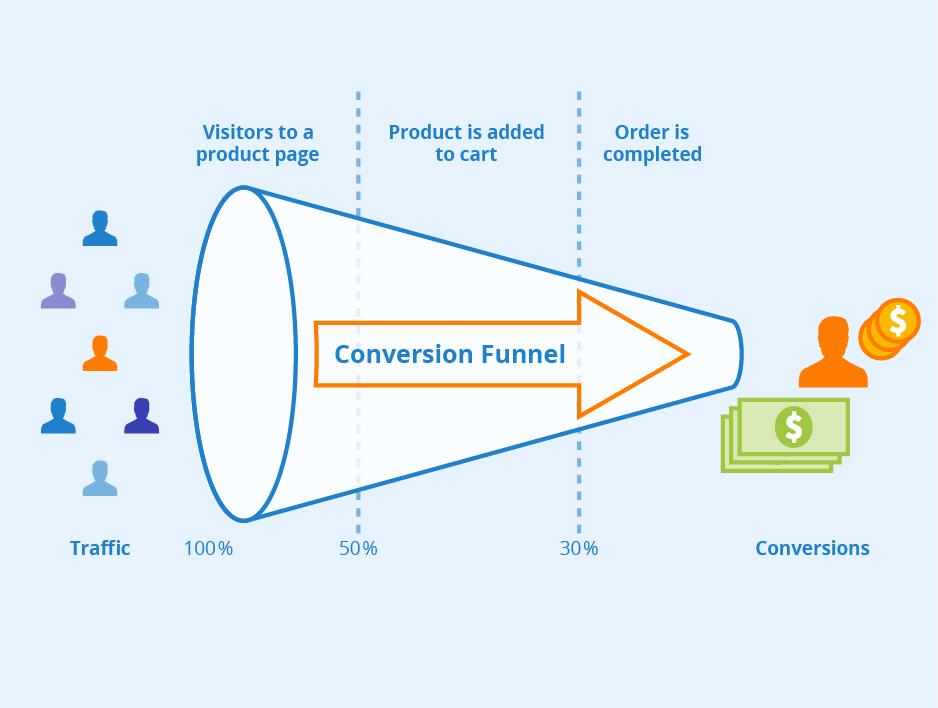
Understanding Your Conversion Funnel
Before optimizing conversions, understand your marketplace funnel.
Typical customer journey:
Step 1: Visitor Lands on Marketplace
Users arrive through:
- Google Search
- Social Media
- Paid Ads
- Referrals
Step 2: Product Discovery
Visitors browse:
- Categories
- Vendor stores
- Search results
Step 3: Product Evaluation
Customers compare:
- Prices
- Reviews
- Features
Step 4: Add to Cart
Purchase intent increases.
Step 5: Checkout
Final conversion occurs.
Analyzing each step helps identify bottlenecks.
Optimize Marketplace Homepage
Your homepage creates the first impression.
Best practices:
Clear Value Proposition
Explain:
- What the marketplace offers
- Why customers should buy
- Unique benefits
Featured Products
Highlight best-selling items.
Featured Vendors
Build trust and credibility.
Strong Call-to-Actions
Examples:
- Shop Now
- Browse Products
- Become a Vendor
A clear homepage improves engagement and conversions.
Improve Product Discovery
Customers can’t buy products they can’t find.
Optimization strategies include:
Advanced Search
Enable:
- AJAX search
- SKU search
- Vendor search
Product Filters
Allow filtering by:
- Category
- Price
- Ratings
- Brand
Personalized Recommendations
Show related products.
Better discovery increases purchase opportunities.
Optimize Vendor Store Pages
Vendor stores are critical in Dokan marketplaces.
Include:
Professional Store Branding
Logos and banners.
Detailed Store Descriptions
Build trust.
Customer Reviews
Social proof increases confidence.
Contact Information
Improve transparency.
Well-designed vendor stores convert better.
Build Trust with Reviews
Trust is one of the biggest conversion factors.
Encourage:
Product Reviews
Vendor Ratings
Customer Testimonials
Verified Purchases
Reviews reduce buyer hesitation.
Optimize Product Pages
Product pages directly impact conversion rates.
High-Quality Images
Use multiple product images.
Product Videos
Demonstrate products visually.
Detailed Descriptions
Highlight features and benefits.
Clear Pricing
Avoid confusion.
Strong CTA Buttons
Examples:
- Add to Cart
- Buy Now
Product page optimization often delivers significant CRO gains.
Improve Checkout Experience
Checkout abandonment is a common problem.
Strategies include:
Guest Checkout
Reduce registration friction.
One-Page Checkout
Simplify the process.
Multiple Payment Methods
Offer:
- Stripe
- PayPal
- Razorpay
Progress Indicators
Show checkout stages.
A smoother checkout increases completed purchases.
Reduce Cart Abandonment
Many customers abandon carts before checkout.
Solutions include:
Abandoned Cart Emails
Recover lost sales.
Exit Intent Offers
Provide incentives before leaving.
Saved Carts
Allow customers to return later.
Free Shipping Thresholds
Encourage larger orders.
Cart recovery can significantly increase revenue.
Mobile Conversion Optimization
Most marketplace traffic comes from mobile devices.
Optimize:
Mobile Navigation
Touch-Friendly Buttons
Fast Loading Pages
Mobile Checkout
Poor mobile experiences reduce conversions dramatically.
Speed Optimization for Better Conversions
Page speed affects both SEO and sales.
Recommended optimizations:
LiteSpeed Cache
Redis Object Cache
Cloudflare CDN
Image Compression
Fast websites keep users engaged.
Personalization Strategies
Personalized experiences often convert better.
Examples:
Recently Viewed Products
Recommended Products
Personalized Offers
Location-Based Suggestions
Personalization improves customer engagement.
Vendor Registration Optimization
Marketplaces also need vendor conversions.
Improve registrations by:
Multi-Step Registration Forms
Clear Benefits
Success Stories
Easy Onboarding Process
Reducing vendor signup friction helps marketplace growth.
Customer Registration Optimization
Encourage account creation through:
Social Login
Google and Facebook sign-in.
Simplified Forms
Collect only necessary information.
Registration Incentives
Offer discounts or rewards.
Easy registration improves user retention.
Upselling and Cross-Selling
Increase order values by recommending:
Related Products
Frequently Bought Together
Premium Alternatives
Add-On Services
Upselling boosts revenue without increasing traffic.
Email Marketing Automation
Email remains one of the highest-converting channels.
Automate:
Welcome Emails
Abandoned Cart Recovery
Product Recommendations
Re-Engagement Campaigns
Tools like FluentCRM help automate customer journeys.
A/B Testing for CRO
Never rely on assumptions.
Test:
Headlines
CTA Buttons
Product Images
Checkout Layouts
Pricing Displays
Small changes can produce significant improvements.
Marketplace Analytics and Tracking
Track key metrics including:
Conversion Rate
Cart Abandonment Rate
Average Order Value
Vendor Registration Rate
Customer Retention Rate
Analytics reveal opportunities for optimization.
Security and Trust Signals
Customers need confidence before purchasing.
Display:
SSL Certificates
Secure Payment Icons
Money-Back Guarantees
Vendor Verification Badges
Trust signals improve conversions.
SEO and CRO Working Together
SEO drives traffic.
CRO converts traffic into revenue.
Combine:
Product SEO
Vendor Store SEO
Fast Page Speed
User Experience Optimization
This creates a sustainable growth strategy.
Recommended CRO Plugin Stack
Dokan Pro
Marketplace functionality.
FluentCRM
Email automation.
FiboSearch
Advanced search.
LiteSpeed Cache
Performance optimization.
WP Mail SMTP
Reliable email delivery.
Customer Reviews for WooCommerce
Social proof.
These tools support conversion growth.
Common CRO Mistakes
Slow Website Performance
Reduces engagement.
Complicated Checkout
Increases abandonment.
Weak Product Descriptions
Creates uncertainty.
Lack of Reviews
Reduces trust.
Poor Mobile Experience
Hurts conversions.
Avoiding these mistakes improves results significantly.
Marketplace CRO Checklist
✓ Homepage Optimization
✓ Advanced Product Search
✓ Vendor Store Optimization
✓ Product Reviews
✓ Product Page Improvements
✓ Mobile Optimization
✓ Checkout Simplification
✓ Cart Recovery Emails
✓ Personalization
✓ Email Automation
✓ A/B Testing
✓ Analytics Tracking
Final Thoughts
Conversion Rate Optimization is one of the most profitable activities for any Dokan marketplace. Instead of spending more money acquiring traffic, CRO focuses on maximizing the value of existing visitors.
By improving product discovery, vendor stores, product pages, checkout experiences, mobile usability, trust signals, personalization, and email automation, marketplace owners can significantly increase revenue and customer satisfaction.
Whether you’re launching a new marketplace or scaling an established platform, continuous CRO testing and optimization should be a core part of your growth strategy.

Hire Me on Upwork – Dokan & WooCommerce Expert

 Chat on WhatsApp