
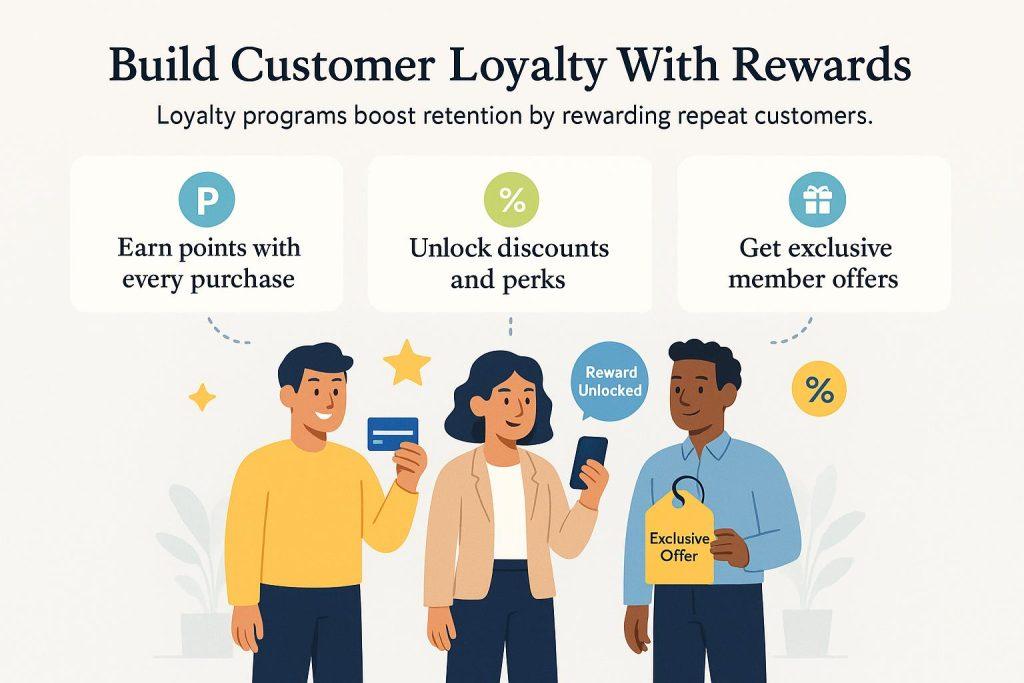
Dokan: Vendor Loyalty & Reward Systems
Building a successful multi-vendor marketplace isn’t just about attracting new vendors—it’s also about retaining your best sellers. Acquiring new vendors can be expensive and time-consuming, while loyal vendors often generate consistent sales, attract customers, and contribute to long-term marketplace growth.
One of the most effective ways to improve vendor retention is by implementing a Vendor Loyalty & Reward System.
By rewarding vendors for their performance, engagement, and contribution to the marketplace, owners can create a thriving ecosystem that encourages long-term partnerships and healthy competition.
In this guide, we’ll explore how to build and manage a Vendor Loyalty & Reward System in a Dokan marketplace.
What is a Vendor Loyalty Program?
A vendor loyalty program rewards sellers for achieving specific goals or maintaining long-term relationships with the marketplace.
Rewards may include:
- Reduced commissions
- Bonus payouts
- Featured listings
- Free subscriptions
- Marketing benefits
- Performance badges
- Exclusive access to new features
The goal is to motivate vendors and increase retention.
Why Vendor Loyalty Matters
Retaining vendors is critical for marketplace success.
Benefits include:
Higher Vendor Retention
Loyal vendors stay longer.
Increased Marketplace Revenue
Successful vendors generate more sales.
Better Product Selection
Active vendors add more products.
Improved Customer Experience
Experienced vendors provide better service.
Stronger Marketplace Community
Engaged vendors help marketplaces grow organically.
Loyalty programs benefit both vendors and marketplace owners.
Benefits for Vendors
A reward system gives vendors:
Financial Incentives
Higher earnings.
Recognition
Public acknowledgment of achievements.
Better Visibility
Featured placements.
Exclusive Benefits
Access to premium tools.
Motivation
Encourages long-term participation.
Rewards increase vendor satisfaction.
Benefits for Marketplace Owners
Marketplace owners benefit through:
Reduced Vendor Churn
Less effort spent replacing vendors.
Increased Sales
Motivated vendors perform better.
More Marketplace Activity
Vendors become more engaged.
Better Customer Retention
Strong vendors improve customer experiences.
Competitive Advantage
A reward system differentiates your marketplace.
Loyalty programs create a win-win ecosystem.
Types of Vendor Reward Systems
Sales-Based Rewards
Reward vendors based on revenue generated.
Examples:
- $10,000 in sales → Reduced commission
- $50,000 in sales → Premium status
Sales rewards encourage growth.
Commission-Based Rewards
Offer lower commissions to high-performing vendors.
Examples:
Standard Vendors
10% commission.
Gold Vendors
8% commission.
Platinum Vendors
5% commission.
Lower commissions motivate vendors to increase sales.
Performance-Based Rewards
Reward vendors based on:
Customer Reviews
Response Time
Order Completion Rate
Delivery Performance
High-quality service should be recognized.
Product Listing Rewards
Encourage vendors to expand their stores.
Examples:
- Add 100 products → Marketing credits.
- Add 500 products → Featured placement.
More products often lead to better marketplace growth.
Vendor Referral Programs
Allow vendors to invite other sellers.
Rewards may include:
Cash Bonuses
Reduced Commissions
Free Subscription Months
Referral programs can accelerate marketplace growth.
Tier-Based Loyalty Programs
A tier system creates motivation and competition.
Bronze Vendor
Basic marketplace access.
Silver Vendor
Priority support.
Gold Vendor
Lower commissions.
Platinum Vendor
Premium marketing exposure.
Tier systems are highly effective in marketplaces.
Vendor Badge Systems
Badges create recognition.
Examples:
Top Seller
Verified Vendor
Fast Shipping Vendor
Customer Favorite
Badges improve trust and visibility.
Featured Vendor Rewards
Provide high-performing vendors with:
Homepage Placement
Featured Store Listings
Category Promotions
Newsletter Exposure
Visibility rewards often increase vendor motivation.
Subscription Rewards
Reward loyalty through subscription benefits.
Examples:
Free Subscription Months
Premium Features
Additional Product Limits
Marketing Credits
Subscription rewards improve retention.
Seasonal Incentive Programs
Run temporary campaigns.
Examples:
Holiday Sales Competitions
Black Friday Rewards
New Vendor Challenges
Sales Contests
Seasonal rewards create excitement.
Customer-Based Vendor Rewards
Reward vendors for:
Positive Reviews
Repeat Customers
Customer Satisfaction Scores
Low Refund Rates
Customer-focused rewards encourage better service.
Gamification Strategies
Gamification increases engagement.
Examples:
Leaderboards
Achievement Levels
Points Systems
Milestone Rewards
Friendly competition motivates vendors.
Vendor Points System
Allow vendors to earn points for:
Sales
Product Uploads
Customer Reviews
Referrals
Points can be redeemed for:
- Commission discounts
- Advertising credits
- Premium subscriptions
Points systems work extremely well in marketplaces.
Vendor Education Rewards
Encourage vendors to improve skills.
Examples:
Complete Training → Earn Rewards
Attend Webinars → Receive Credits
Marketplace Certification → Unlock Benefits
Education programs improve vendor quality.
Automated Reward Systems
Automation simplifies management.
Automatically reward:
Sales Milestones
Review Achievements
Loyalty Duration
Referral Success
Automation reduces administrative workload.
Analytics and Reporting
Track important metrics:
Vendor Retention Rate
Vendor Lifetime Value
Sales Growth
Reward Participation
Marketplace Revenue
Data helps optimize the loyalty program.
Marketing Vendor Rewards
Promote your loyalty program through:
Vendor Emails
Dashboard Notifications
Marketplace Announcements
Reward Progress Indicators
Clear communication improves participation.
Performance Optimization
Large loyalty systems generate additional database activity.
Optimize using:
Redis Object Cache
LiteSpeed Cache
Database Optimization
Cloudflare CDN
Performance remains important.
Recommended Plugin Stack
Dokan Pro
Marketplace functionality.
WooCommerce Points and Rewards
Reward management.
FluentCRM
Vendor automation.
WP Mail SMTP
Notifications.
LiteSpeed Cache
Performance optimization.
Cloudflare
Security and CDN.
This stack provides an excellent foundation for vendor loyalty programs.
Common Loyalty Program Mistakes
Complicated Reward Rules
Confuses vendors.
Weak Incentives
Reduces participation.
Poor Communication
Limits engagement.
No Automation
Creates administrative work.
Ignoring Analytics
Prevents optimization.
Avoiding these mistakes improves program success.
Vendor Loyalty Checklist
✓ Tier System
✓ Reward Structure
✓ Commission Incentives
✓ Vendor Badges
✓ Referral Program
✓ Points System
✓ Featured Vendor Benefits
✓ Automated Rewards
✓ Seasonal Campaigns
✓ Analytics Tracking
✓ Dashboard Notifications
✓ Performance Optimization
Final Thoughts
A Vendor Loyalty & Reward System can transform a Dokan marketplace from a simple selling platform into a thriving vendor community. By rewarding performance, encouraging engagement, and recognizing achievements, marketplace owners can improve vendor retention, increase sales, and create long-term growth.
Whether you’re managing a small niche marketplace or a large multi-vendor platform, investing in vendor loyalty programs can become one of your most effective strategies for building a successful and sustainable marketplace.

Hire Me on Upwork – Dokan & WooCommerce Expert

 Chat on WhatsApp