
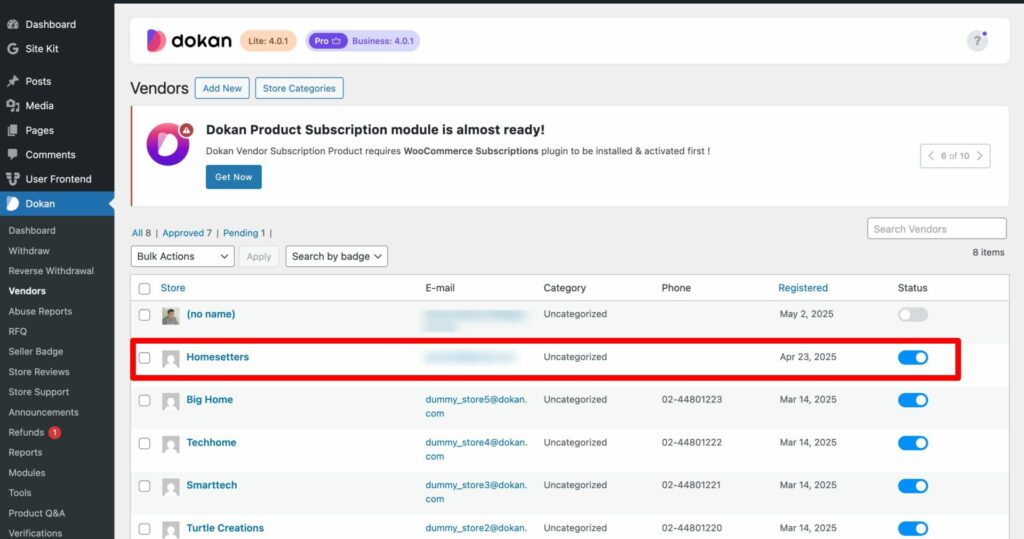
Commission is the core revenue engine of any multivendor marketplace.
If your commission structure is too simple:
-
You leave money on the table
-
You fail to incentivize top vendors
-
You can’t control low-margin categories
-
Growth becomes unstructured
With advanced commission structures in Dokan, you can create:
✔ Category-based commission
✔ Vendor-specific commission
✔ Subscription-based commission overrides
✔ Hybrid monetization models
This guide explains how to configure and optimize advanced commission structures in Dokan for maximum profitability and scalability.
🔴 Why Commission Strategy Matters
Your commission structure directly affects:
-
Vendor motivation
-
Marketplace profitability
-
Category performance
-
Vendor retention
A poorly designed commission system causes:
❌ Vendor dissatisfaction
❌ Low-quality listings
❌ Revenue imbalance
❌ Vendor churn
👉 Smart commission strategy creates sustainable growth.
🧠 How Commission Works in Dokan (Basic Overview)
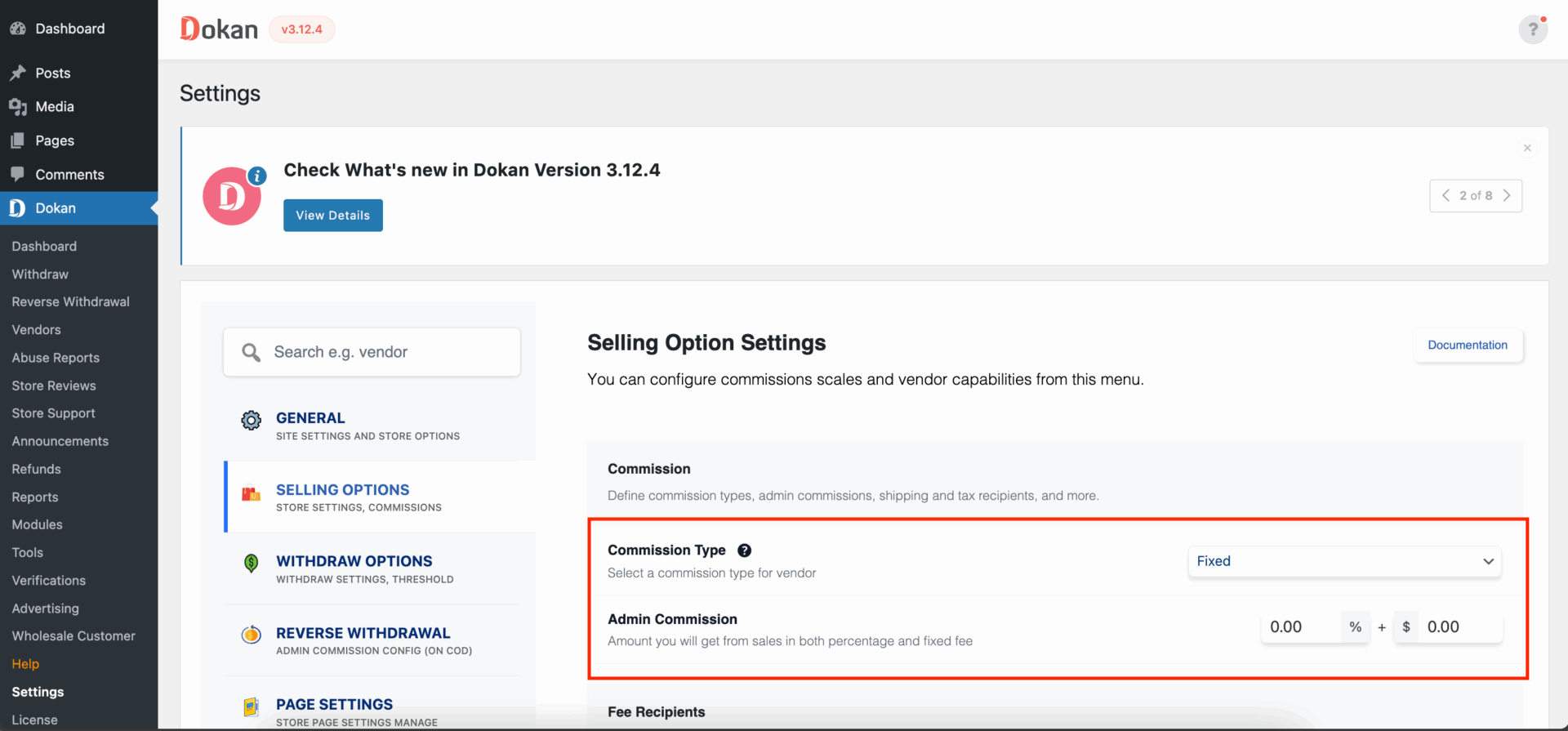
By default, Dokan supports:
-
Percentage-based commission
-
Fixed commission
-
Combined (fixed + percentage)
Basic calculation flow:
1️⃣ Customer places order
2️⃣ Order total calculated
3️⃣ Commission deducted
4️⃣ Vendor receives net amount
5️⃣ Admin receives commission
Advanced structures allow more granular control.
1️⃣ Category-Wise Commission (Strategic Control)
Not all product categories have equal margins.
Example:
-
Electronics → Low margin
-
Fashion → Medium margin
-
Digital products → High margin
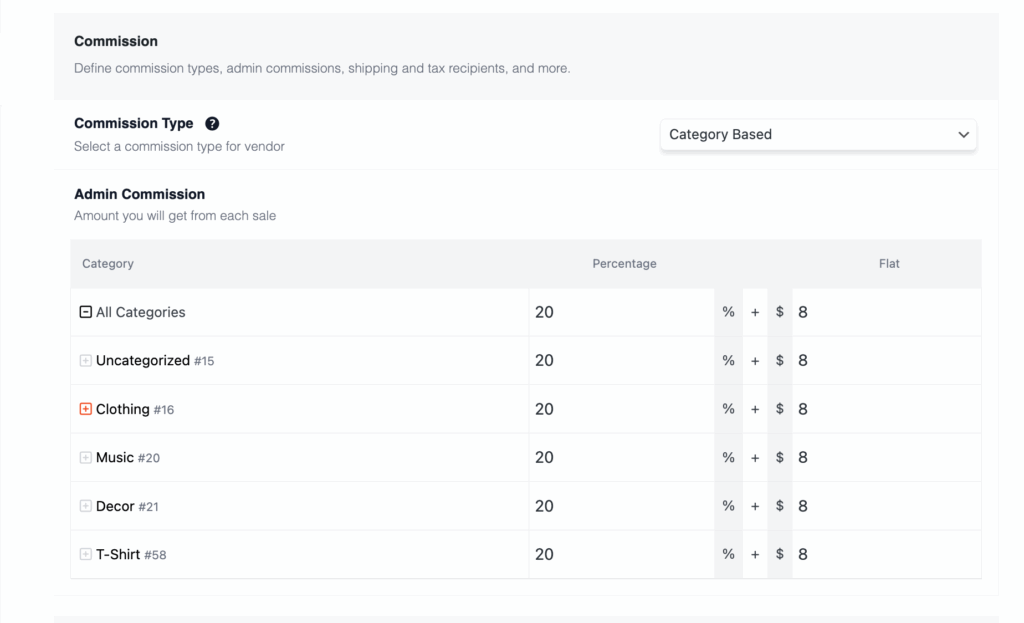
With category-wise commission, you can define:
| Category | Commission |
|---|---|
| Electronics | 5% |
| Fashion | 12% |
| Digital Products | 20% |
Why Use Category-Wise Commission?
✔ Protect low-margin products
✔ Maximize high-margin categories
✔ Encourage vendor category focus
✔ Maintain competitive pricing
👉 Category-based control prevents overcharging vendors.
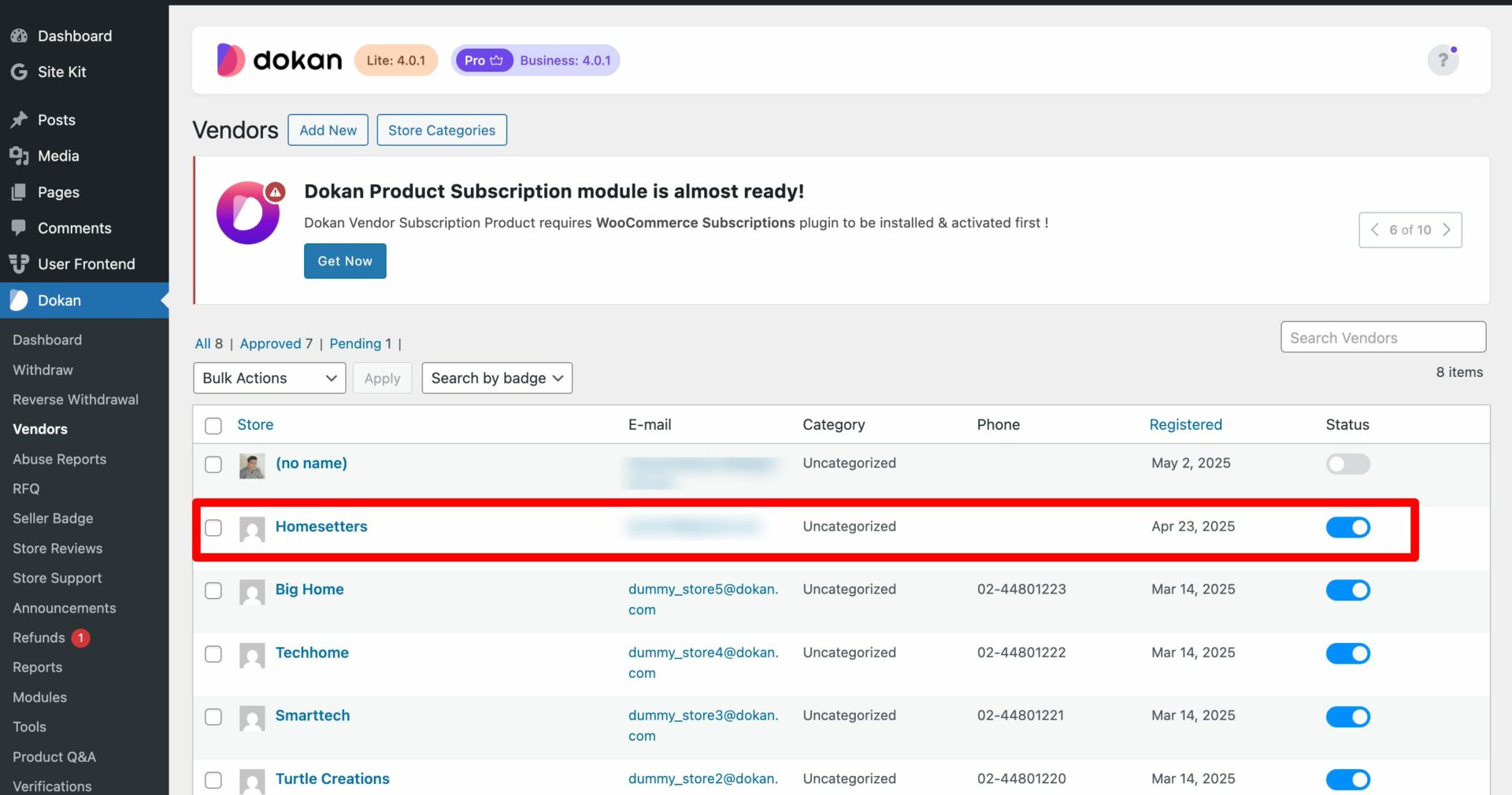
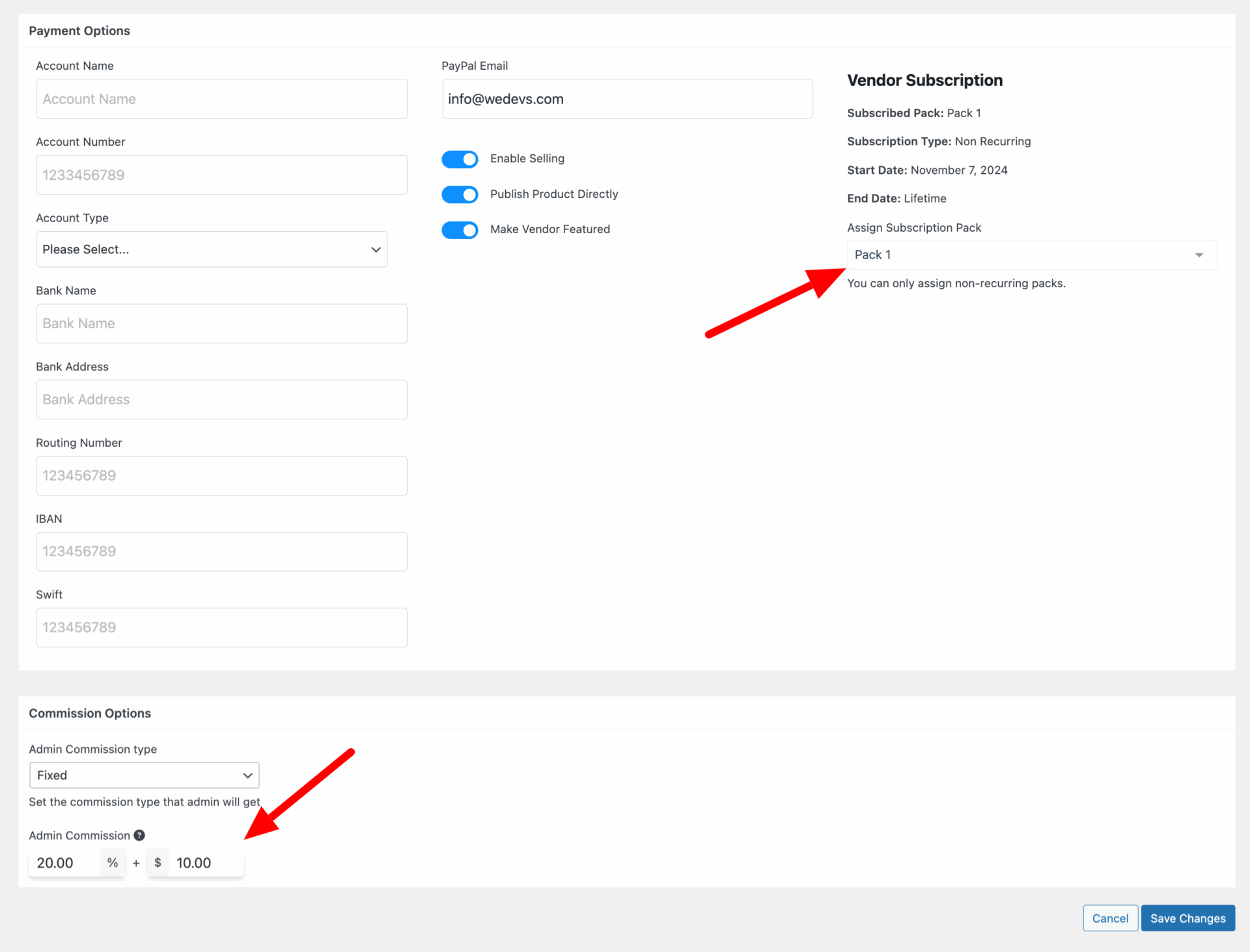
2️⃣ Vendor-Wise Commission (Performance-Based Strategy)
You can assign custom commission rates to specific vendors.
Example:
| Vendor Type | Commission |
|---|---|
| New Vendor | 15% |
| Verified Vendor | 10% |
| Premium Vendor | 5% |
This creates performance-based incentives.
Benefits of Vendor-Wise Commission
✔ Reward high-performing vendors
✔ Retain top sellers
✔ Motivate long-term commitment
✔ Create loyalty programs
👉 Top vendors deserve better rates — it improves retention.
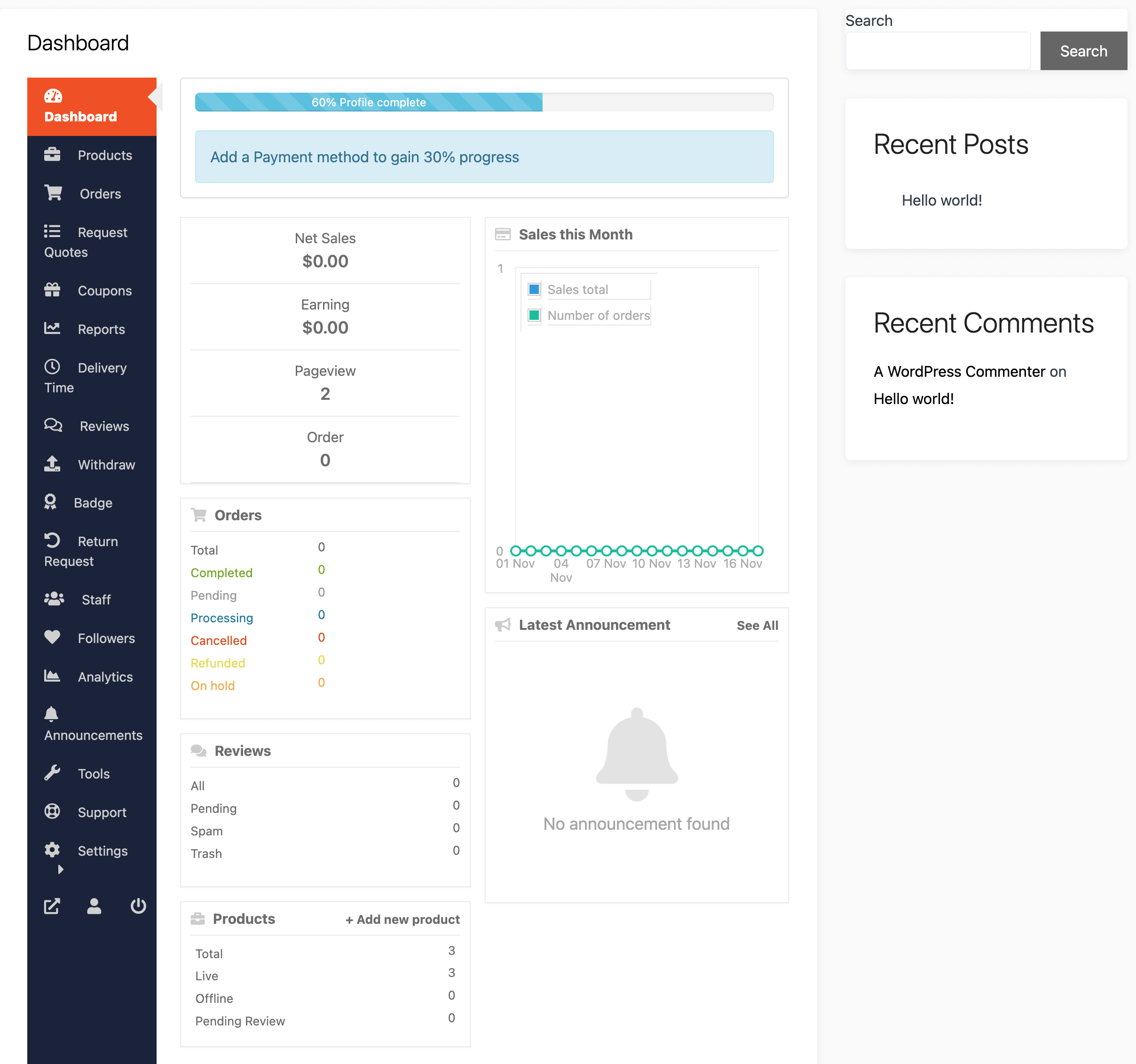
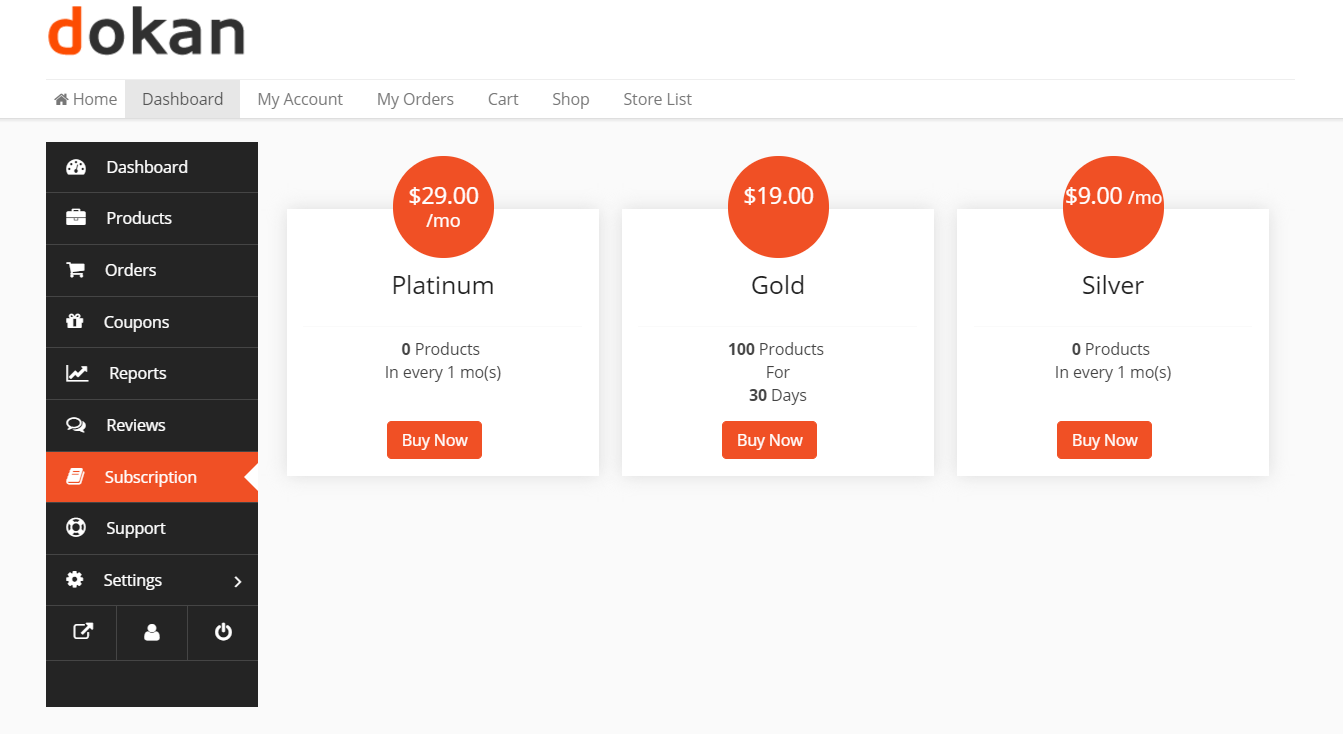
3️⃣ Subscription-Based Commission Overrides
If you use vendor subscriptions, you can combine:
-
Monthly subscription fee
-
Lower commission rate
Example subscription tiers:
| Plan | Monthly Fee | Commission |
|---|---|---|
| Basic | $29 | 15% |
| Pro | $59 | 10% |
| Premium | $99 | 5% |
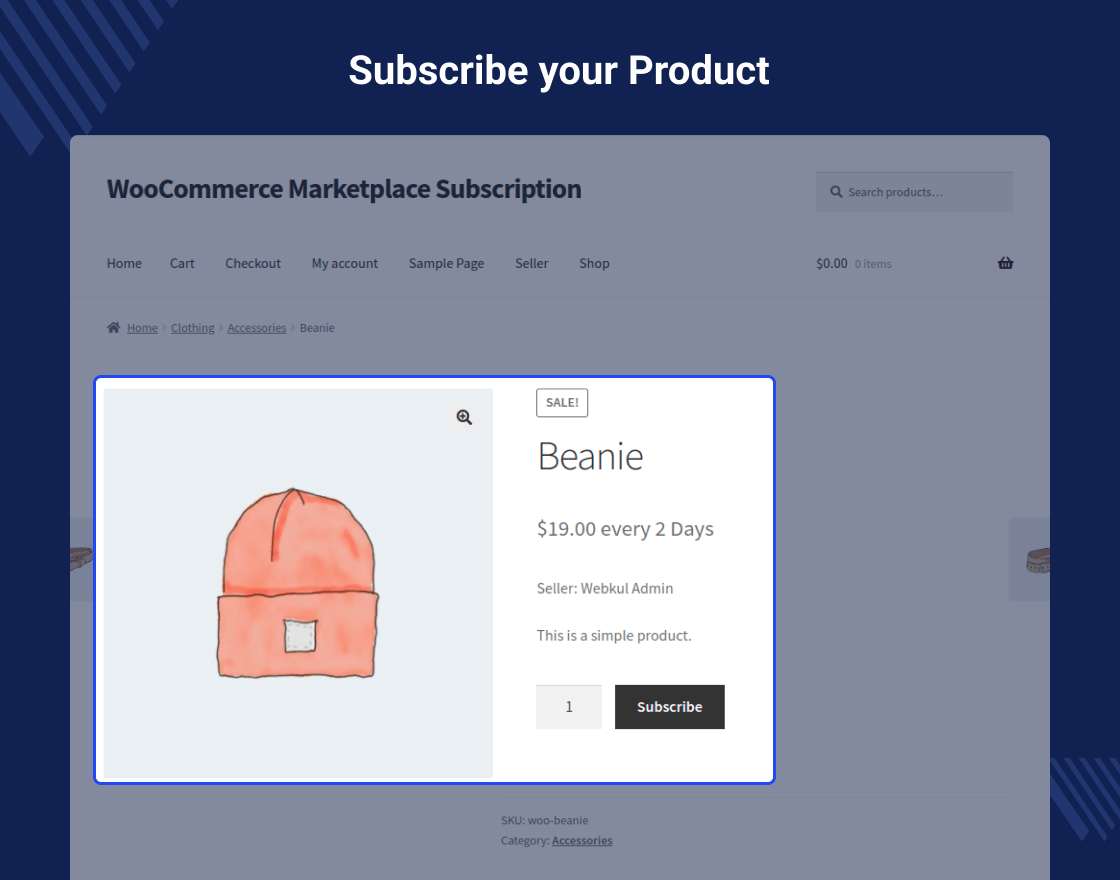
This creates:
✔ Predictable recurring revenue
✔ Vendor upgrade incentives
✔ Hybrid monetization model
👉 Subscription + commission = SaaS-style marketplace model.
4️⃣ Global + Override Commission Hierarchy
Dokan follows priority rules:
1️⃣ Vendor-specific commission
2️⃣ Category commission
3️⃣ Global commission
This layered system allows flexible control.
Best practice:
✔ Set safe global default
✔ Override for special categories
✔ Override for VIP vendors
5️⃣ Hybrid Commission Models (Advanced Monetization)
You can combine:
✔ Fixed commission per order
✔ Percentage-based commission
✔ Subscription-based override
✔ Product-based override
Example:
-
$2 fixed fee + 10% per order
-
Premium vendors pay $99/month + 5%
Hybrid models balance risk and revenue.
6️⃣ Commission Strategy by Marketplace Type
🔹 Digital Marketplace
Higher commission (15–25%) possible.
🔹 Physical Goods Marketplace
Moderate commission (5–15%).
🔹 Luxury / High-Ticket Marketplace
Lower percentage but higher total value.
🔹 Niche Marketplace
Flexible structure based on vendor onboarding goals.
👉 Commission must match market reality.
7️⃣ Avoiding Common Commission Mistakes
❌ Setting commission too high
❌ Not differentiating categories
❌ Ignoring vendor performance
❌ No subscription strategy
❌ Not reviewing margins regularly
These mistakes limit scalability.
8️⃣ Testing Commission Before Launch
Before going live:
✔ Place test orders
✔ Verify admin earnings
✔ Verify vendor payout
✔ Check refund commission reversal
✔ Test subscription overrides
Commission errors damage vendor trust immediately.
9️⃣ Scaling Commission Strategy Over Time
As marketplace grows:
✔ Reduce commission for top vendors
✔ Introduce premium subscription plans
✔ Optimize underperforming categories
✔ Track commission impact on churn
Commission strategy should evolve with growth.
🔟 Best Practices for Advanced Commission Setup
✔ Start simple
✔ Add category-level adjustments
✔ Introduce vendor-level incentives
✔ Add subscription monetization
✔ Review commission quarterly
👉 Data-driven commission = sustainable marketplace growth.
📈 Why Advanced Commission Structures Improve Profitability
Advanced models help you:
✔ Maximize revenue without overcharging
✔ Retain high-value vendors
✔ Incentivize category growth
✔ Build long-term vendor loyalty
✔ Create predictable income streams
A marketplace without commission strategy cannot scale effectively.
📚 Also Read (Internal Links)

Hire Me on Upwork – Dokan & WooCommerce Expert

 Chat on WhatsApp