

Absolutely 👍
Here’s a professional, long-form, SEO-optimized, ready-to-publish blog on WordPress Editorial Workflow Guide — written in clear English, focused on content quality, team collaboration, and scalable publishing systems.
You can copy–paste and publish directly.
WordPress Editorial Workflow Guide (Complete Guide 2026)
If you manage a WordPress website with:
-
Multiple writers
-
Editors
-
SEO managers
-
Content reviewers
Then you need a structured editorial workflow.
Without a proper workflow:
❌ Articles get published without review
❌ SEO is inconsistent
❌ Deadlines are missed
❌ Content quality drops
❌ Team confusion increases
This guide explains how to create a professional WordPress editorial workflow, so you can publish consistently, maintain quality, and scale your content strategy.
🔴 Why Editorial Workflow Matters in WordPress
Publishing content is not just clicking “Publish.”
A structured editorial workflow ensures:
✔ Content accuracy
✔ Brand consistency
✔ SEO optimization
✔ Clear accountability
✔ Efficient team collaboration
👉 A good workflow turns random publishing into strategic content growth.
🧠 How WordPress Publishing Works by Default
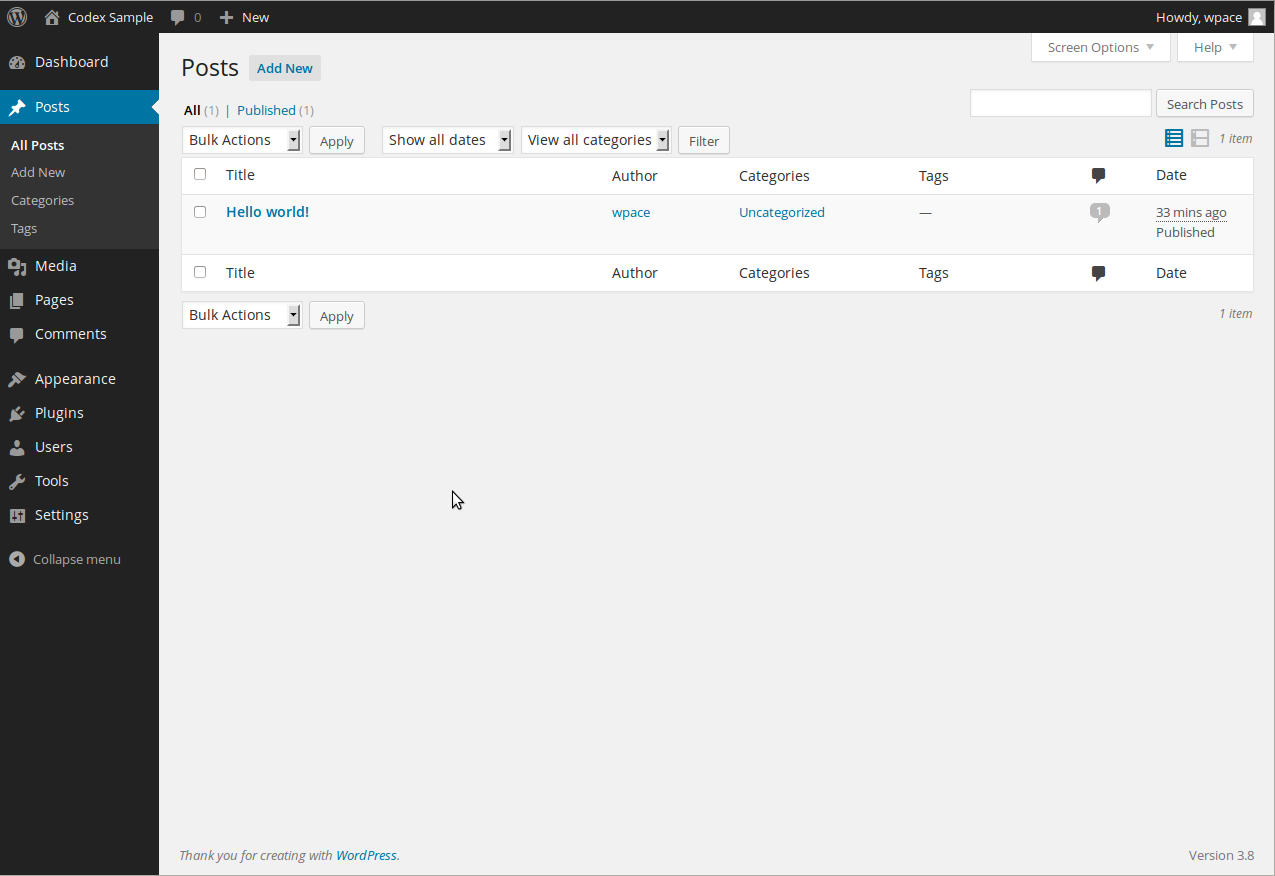
By default, WordPress has a simple publishing system:
1️⃣ Writer creates post
2️⃣ Clicks Publish
3️⃣ Post goes live
There is no built-in editorial review system beyond basic roles.
This works for single-author blogs — but not for professional content teams.
1️⃣ Understanding WordPress Post Statuses
WordPress uses content statuses to control publishing stages.
🔹 Default Post Statuses:
-
Draft
-
Pending Review
-
Published
-
Scheduled
-
Private
-
Trash
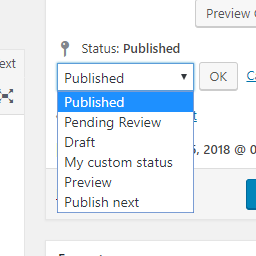

📌 The most important status for workflow is Pending Review.
2️⃣ Basic Editorial Workflow (Simple & Effective)
Here’s a clean, scalable editorial process:
🛠 Step-by-Step Workflow:
1️⃣ Writer creates content → Saves as Draft
2️⃣ Writer submits → Mark as Pending Review
3️⃣ Editor reviews & edits
4️⃣ SEO optimization applied
5️⃣ Final approval → Publish or Schedule
✔ Clear roles
✔ Quality control
✔ Minimal confusion
3️⃣ Assigning Proper User Roles
User roles define who can do what.
Recommended Role Setup:
-
Administrator → Full access
-
Editor → Review & publish posts
-
Author → Write & publish own posts
-
Contributor → Write but cannot publish
📌 Avoid giving publishing access to everyone.
👉 Follow the “least privilege” principle.
4️⃣ Adding an SEO Review Step
SEO should be part of the editorial workflow — not an afterthought.
SEO Checklist Before Publishing:
✔ Optimized title
✔ Meta description
✔ Proper heading structure
✔ Internal linking
✔ Image alt text
✔ Keyword placement


👉 Content without SEO structure wastes ranking potential.
5️⃣ Creating an Editorial Calendar
Consistency builds traffic.
An editorial calendar helps:
-
Plan topics
-
Assign writers
-
Track deadlines
-
Avoid duplicate content
Best Practices:
✔ Monthly topic planning
✔ Category balancing
✔ Seasonal content scheduling
✔ Keyword mapping
👉 Planned publishing = predictable growth.
6️⃣ Using Custom Statuses for Advanced Workflows
For larger teams, basic statuses may not be enough.
You can introduce stages like:
-
In Progress
-
SEO Review
-
Final Edit
-
Scheduled
-
Needs Revision
This improves clarity across teams.
7️⃣ Editorial Guidelines Document (Very Important)
Without documented standards, content becomes inconsistent.
Your editorial guidelines should include:
✔ Tone & writing style
✔ Formatting rules
✔ Image standards
✔ Linking rules
✔ SEO expectations
✔ Word count requirements
👉 Documentation reduces confusion and rework.
8️⃣ Handling Content Revisions Properly
Writers will make mistakes — that’s normal.
Best Practices for Revisions:
✔ Provide clear feedback
✔ Avoid vague comments
✔ Track revision history
✔ Set revision deadlines
📌 Constructive feedback improves content quality long-term.
9️⃣ Scheduling & Publishing Strategy
Not all content should go live immediately.
Strategic Publishing Includes:
✔ Scheduling posts for peak traffic
✔ Spacing out articles
✔ Avoiding content cannibalization
✔ Aligning with marketing campaigns
👉 Timing matters in content marketing.
🔟 Scaling Editorial Workflow for Growth
As traffic grows:
-
Content volume increases
-
Team expands
-
Processes become complex
Scaling Best Practices:
✔ Assign section editors
✔ Define approval authority
✔ Automate notifications
✔ Conduct monthly content audits
👉 Structure prevents chaos as you grow.
🚨 Common Editorial Workflow Mistakes
❌ No content review
❌ No SEO integration
❌ Everyone can publish
❌ No deadlines
❌ No quality checklist
These mistakes reduce authority and search rankings.
📚 Also Read (Internal Links)

Hire Me on Upwork – Dokan & WooCommerce Expert

 Chat on WhatsApp