

Building a website is just the beginning — the real goal is to generate revenue from your traffic and audience.
If you’re using WordPress, you have endless opportunities to monetize your site, whether it’s a blog, business website, or marketplace.
In this guide, you’ll learn the best monetization strategies for WordPress sites and how to choose the right one.
🔴 Why Monetization Strategy Matters
Without a proper monetization plan:
❌ Traffic doesn’t convert into revenue
❌ Business growth becomes slow
❌ Opportunities are wasted
With the right strategy:
✔ Multiple income streams
✔ Scalable business model
✔ Better ROI from traffic
👉 Monetization = turning visitors into income
🧠 Top WordPress Monetization Models
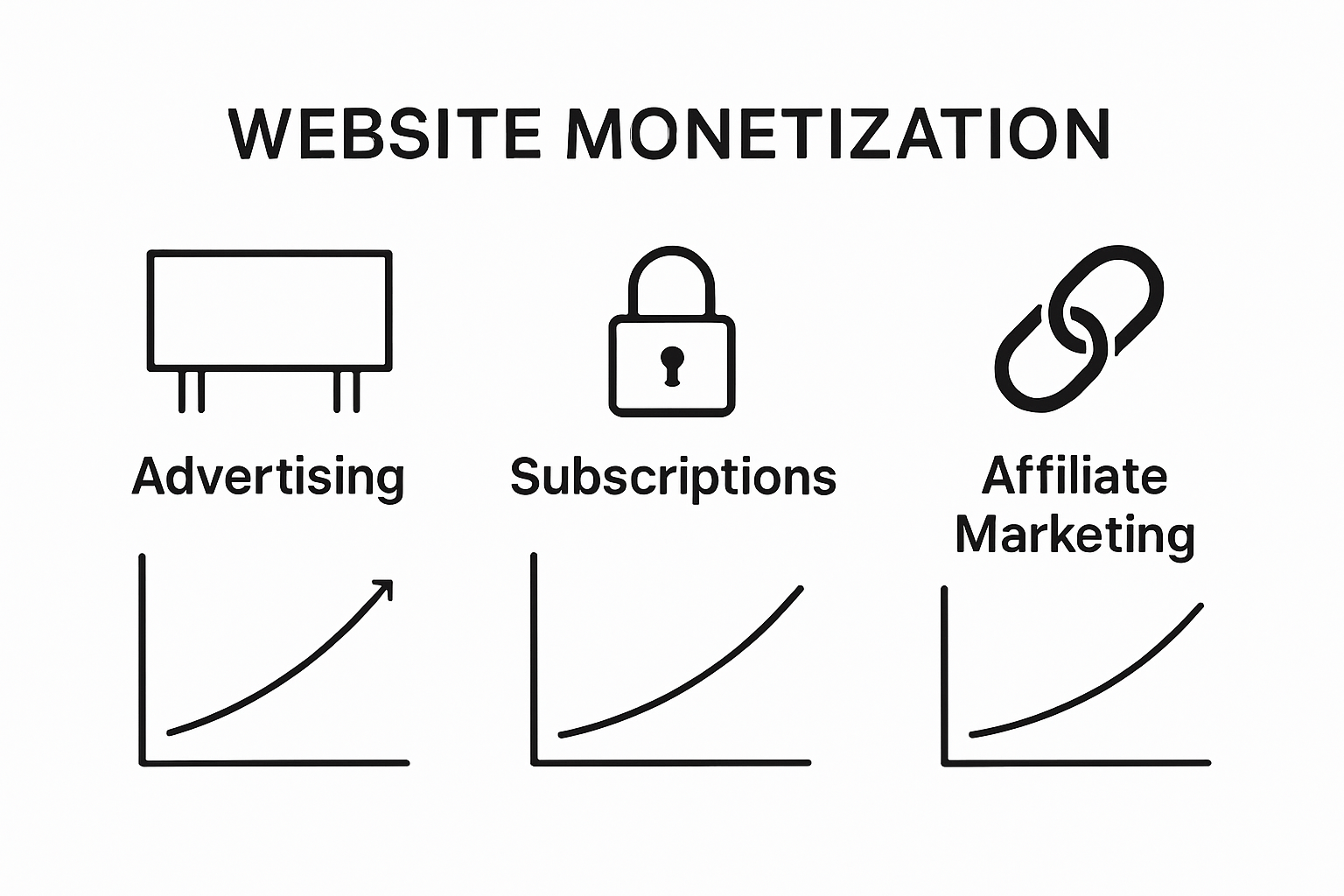
1️⃣ Advertising (Display Ads)
One of the simplest ways to monetize your website.
How it works:
You earn money by displaying ads on your site.
Popular platforms:
-
Google AdSense
-
Media.net
Benefits:
✔ Easy to implement
✔ Passive income
✔ Works well with high traffic
👉 Best for: Blogs & content websites
2️⃣ Affiliate Marketing
Promote products/services and earn commission per sale.
How it works:
You share referral links and earn when users purchase.
Examples:
✔ Hosting affiliates
✔ Plugin/tool recommendations
✔ eCommerce products
Benefits:
✔ High earning potential
✔ No product creation needed
✔ Scalable
👉 Best for: Niche blogs & review sites
3️⃣ Selling Digital Products
Create and sell your own products.
Examples:
✔ eBooks
✔ Courses
✔ Templates
✔ Plugins
Benefits:
✔ High profit margins
✔ Full control
✔ Scalable
👉 Best for: Experts & creators
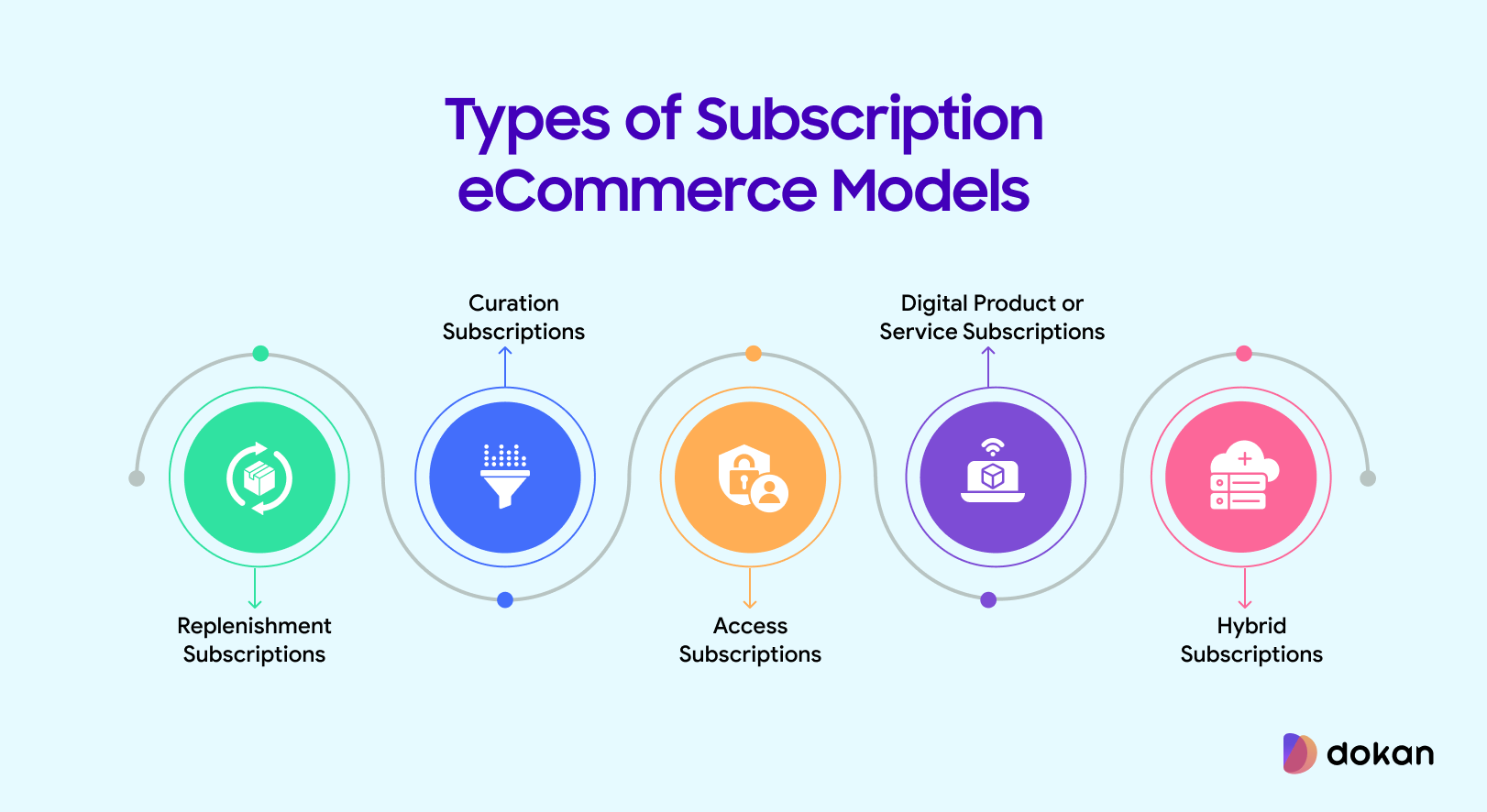
4️⃣ Membership & Subscription Sites
Charge users for access to premium content.
Examples:
✔ Paid communities
✔ Exclusive tutorials
✔ Premium resources
Benefits:
✔ Recurring revenue
✔ Loyal audience
✔ Predictable income
👉 Best for: Content creators & educators
5️⃣ Selling Services
Offer services directly through your website.
Examples:
✔ Web development
✔ SEO services
✔ Consulting
✔ Freelancing
Benefits:
✔ High-ticket income
✔ Direct client acquisition
✔ Strong ROI
👉 Best for: Freelancers & agencies
6️⃣ eCommerce (Selling Physical Products)
Turn your website into an online store using WooCommerce.
Examples:
✔ Fashion store
✔ Electronics
✔ Handmade products
Benefits:
✔ Scalable business
✔ Full control over products
✔ Brand building
👉 Best for: Product-based businesses
7️⃣ Sponsored Content
Brands pay you to publish content.
Examples:
✔ Sponsored blog posts
✔ Product reviews
✔ Brand mentions
Benefits:
✔ High earning potential
✔ Works well with traffic
👉 Best for: Established blogs
8️⃣ Online Courses & Coaching
Teach your skills and monetize your knowledge.
Examples:
✔ Video courses
✔ Live coaching sessions
✔ Workshops
Benefits:
✔ High-value offering
✔ Authority building
✔ Scalable
👉 Best for: Experts & professionals
9️⃣ Donations & Crowdfunding
Let users support your content.
Platforms:
✔ Patreon
✔ Buy Me a Coffee
Benefits:
✔ Works for free content creators
✔ Community-driven income
👉 Best for: Creators & open-source projects
🔟 Marketplace Model
Create a platform where others sell products/services.
Use:
-
Dokan
Revenue sources:
✔ Commission
✔ Subscription
✔ Listing fees
👉 Best for: Large-scale platforms
⚙️ How to Choose the Right Strategy
Choose based on:
Traffic Level
-
Low traffic → Services / Freelancing
-
High traffic → Ads / Affiliate
Audience Type
-
Business audience → Services / B2B
-
General audience → Ads / Affiliate
Skills
-
Developer → Services
-
Writer → Blogging / Affiliate
-
Expert → Courses
👉 Align monetization with your strengths.
📊 Best Strategy Combination
Most successful websites use multiple streams:
✔ Affiliate + Ads
✔ Services + Blog
✔ Courses + Membership
✔ eCommerce + Content
👉 Diversification = stable income
🚨 Common Mistakes to Avoid
❌ Relying on one income source
❌ Too many ads (bad UX)
❌ Poor content quality
❌ No audience targeting
❌ No SEO strategy
👉 These reduce revenue potential.
📈 Monetization Checklist
✔ Choose revenue model
✔ Optimize content
✔ Build audience
✔ Add multiple income streams
✔ Track performance
👉 Follow this consistently.

Hire Me on Upwork – Dokan & WooCommerce Expert

 Chat on WhatsApp