
Choosing the right eCommerce platform is one of the most important decisions a small business can make. The wrong choice can lead to:
-
Higher costs
-
Slow growth
-
Technical frustration
-
Limited scalability
This guide compares the best eCommerce platforms for small businesses in 2026 — including WooCommerce, which powers millions of small stores worldwide.
We’ll break down the strengths, weaknesses, and ideal use cases for each so you can choose based on business goals, not marketing hype.
🛒 Quick Comparison at a Glance
| Platform | Best For | Ease of Use | Customization | Cost | Scalability |
|---|---|---|---|---|---|
| WooCommerce | Content + commerce | ⭐⭐⭐⭐ | ⭐⭐⭐⭐⭐ | Low–Medium | ⭐⭐⭐⭐⭐ |
| Shopify | All-in-one store | ⭐⭐⭐⭐⭐ | ⭐⭐⭐⭐ | Medium–High | ⭐⭐⭐⭐ |
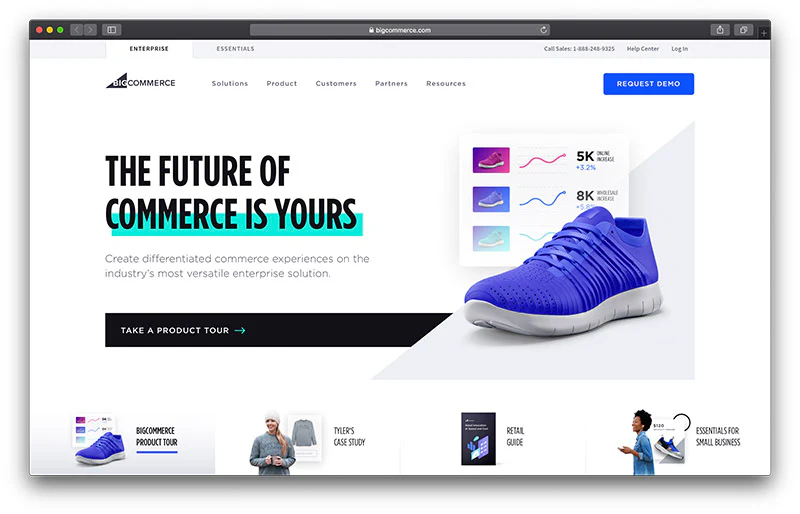
| BigCommerce | Larger catalogs | ⭐⭐⭐⭐ | ⭐⭐⭐ | Medium–High | ⭐⭐⭐⭐ |
| Easy Digital Downloads | Digital-only | ⭐⭐⭐⭐⭐ | ⭐⭐⭐⭐ | Low–Medium | ⭐⭐⭐ |
| Squarespace Commerce | Simplicity | ⭐⭐⭐⭐ | ⭐⭐⭐ | Medium | ⭐⭐ |
| Wix eCommerce | Beginners | ⭐⭐⭐⭐⭐ | ⭐⭐ | Low–Medium | ⭐⭐ |
🟡 1. WooCommerce (Best for Flexible Small Businesses)
Best for: Small businesses who want ownership, flexibility, and full control over their store.
WooCommerce is a free plugin for WordPress that turns any site into a powerful online store.
✔ Why Small Businesses Love WooCommerce
-
Fully customizable — themes, plugins, design
-
Low entry cost (free core)
-
Works with content, blogs, SEO, and marketing
-
Sell physical, digital, subscriptions, services
-
Integrates with multi-vendor systems like Dokan/WCFM
⚠ Things to Know
-
Requires hosting & maintenance
-
Slight learning curve
-
Security & backups need attention
Best for: Businesses wanting full control, content marketing integration, and no vendor lock-in.
🟢 2. Shopify (Best All-in-One Hosted Solution)
Best for: Small businesses who want a simple, hosted store with minimal technical work.
Shopify is a fully managed eCommerce platform — you pay monthly and they handle hosting, security, and backups.
✔ Strengths
-
Easy setup with no technical skills
-
Built-in payments & POS
-
Powerful app marketplace
-
24/7 support
⚠ Trade-offs
-
Ongoing monthly fees
-
Transaction fees unless using Shopify Payments
-
Less flexibility than open platforms
Best for: Businesses that want a fast, low-maintenance store without worrying about servers or updates.
🟡 3. BigCommerce (Best for Growing Catalogs)
Best for: Small businesses planning rapid growth or large product catalogs.
BigCommerce combines a hosted store with strong built-in features.
✔ Strengths
-
Good for SEO & performance
-
Multi-channel selling (Amazon, eBay, TikTok)
-
Strong product management
⚠ Trade-offs
-
Monthly fees
-
Slightly steeper learning curve than Shopify
Best for: Businesses that want hosted reliability with enterprise-level features.
🟠 4. Easy Digital Downloads (Best for Digital Products)
Best for: Businesses selling digital downloads, software, licenses, or digital assets.
EDD is a lightweight WordPress plugin focused just on digital products.
✔ Strengths
-
Simple interface
-
Excellent for digital workflows
-
License key support
⚠ Trade-offs
-
Not ideal for physical products
-
Extensions needed for advanced features
Best for: Digital creators, software sellers, artists, and media sellers.
🟣 5. Squarespace Commerce (Best for Design-First Brands)
Best for: Small businesses focused on design and visual branding.
Squarespace combines design templates with commerce tools.
✔ Strengths
-
Beautiful templates
-
Easy editing
-
All-in-one hosting & commerce
⚠ Trade-offs
-
Less flexible than WooCommerce or Shopify
-
Limited advanced eCommerce features
Best for: Portfolio sites & small stores that value aesthetics over complexity.
🟤 6. Wix eCommerce (Best for Beginners)
Best for: Small businesses that want the easiest possible setup.
Wix offers visual drag-and-drop site building with commerce features.
✔ Strengths
-
Beginner-friendly
-
Affordable
-
Quick to launch
⚠ Trade-offs
-
Limited scalability
-
Not ideal for large product catalogs
Best for: Local businesses & first-time sellers.
💡 Head-to-Head: WooCommerce vs Hosted Platforms
Flexibility
✔ WooCommerce wins — unlimited customization
✖ Shopify/Squarespace/Wix — limited by platform rules
Speed to Launch
✔ Shopify/Wix/Squarespace — fastest
✖ WooCommerce — requires hosting setup
Cost Control
✔ WooCommerce — you control hosting cost
✖ Hosted — predictable, but may get expensive
Scalability
✔ WooCommerce & BigCommerce
✖ Squarespace/Wix — better for small catalogs
⚠️ Common Mistakes Small Businesses Make
❌ Choosing a platform just because it’s “popular”
❌ Ignoring long-term costs
❌ Not considering performance
❌ Forgetting mobile optimization
❌ Choosing a platform with limited integrations
Truth: The best platform is the one that fits your long-term goals, not just your first sale.
📊 Best Pick by Business Type
📌 Content + Store (blogs, SEO, marketing) → WooCommerce
📌 Quick store with minimal tech → Shopify
📌 Growing catalog + multi-channel → BigCommerce
📌 Digital products only → Easy Digital Downloads
📌 Design-first small sites → Squarespace
📌 Absolute beginners → Wix
📚 Also Read

Hire Me on Upwork – Dokan & WooCommerce Expert

 Chat on WhatsApp